The Complete Guide to Finding Reputable Toy Poodle Breeders in 2026
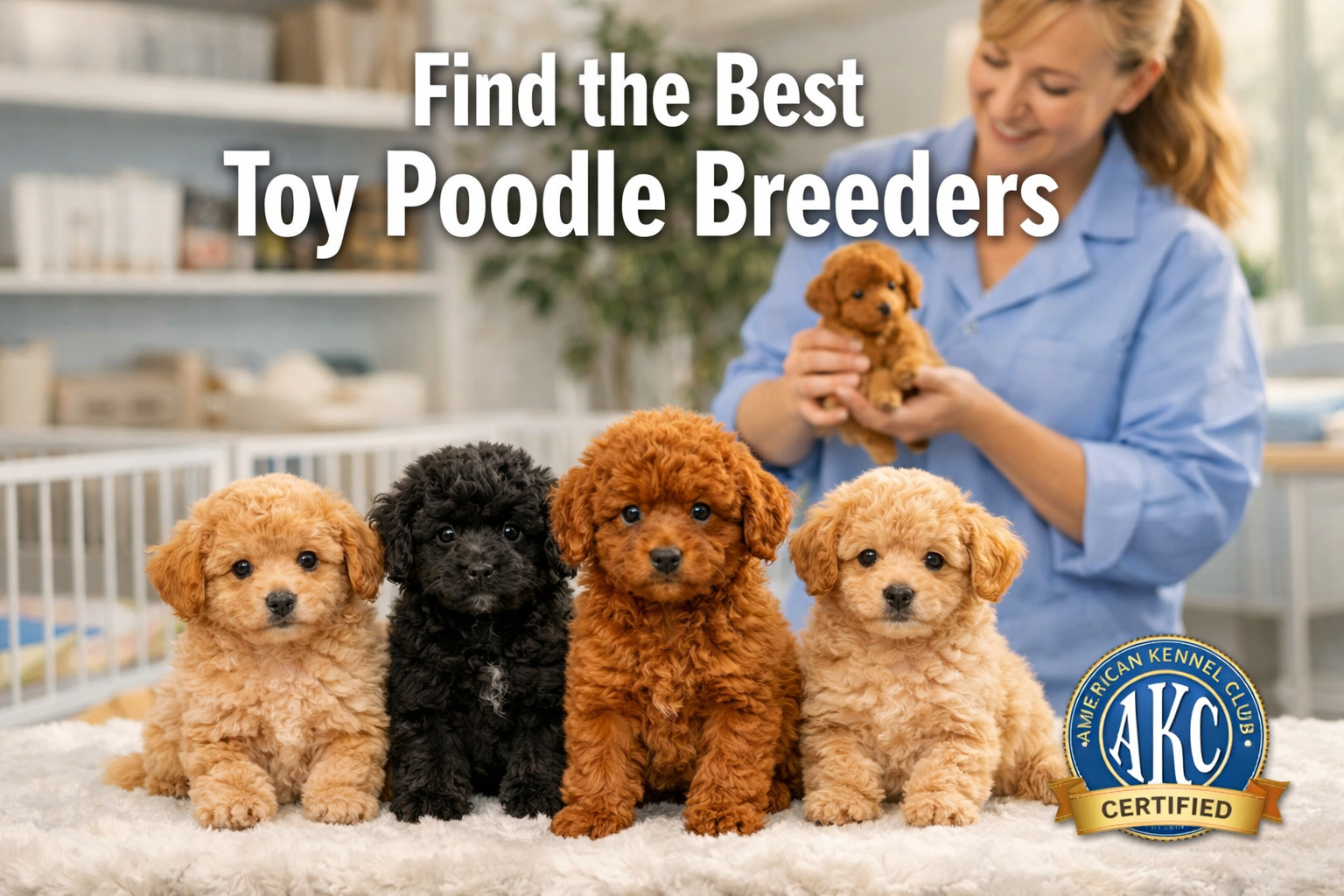
Picture this: you’re scrolling through countless websites, overwhelmed by the sheer number of people claiming to be the “best” toy poodle breeders. Some promise impossibly tiny “teacup” sizes, others offer prices that seem too good to be true, and many lack the credentials you know you should be looking for. Finding reputable toy poodle breeders shouldn’t feel like searching for a needle in a haystack, yet many prospective owners find themselves lost in a maze of questionable breeding practices and misleading advertisements.
As someone who has spent years in the designer dog breeding industry, I’ve witnessed firsthand the difference between ethical breeders who prioritize health and temperament versus those who simply chase profits. The toy poodle market, in particular, has become saturated with both exceptional breeders and concerning puppy mills, making your choice more critical than ever.
No products found which match your selection.
Key Takeaways
• Health testing is non-negotiable – Reputable toy poodle breeders provide comprehensive health clearances including hip, elbow, eye, and genetic testing
• Location matters for support – Finding quality breeders in your region (like Georgia or Florida) ensures better ongoing support and easier visits
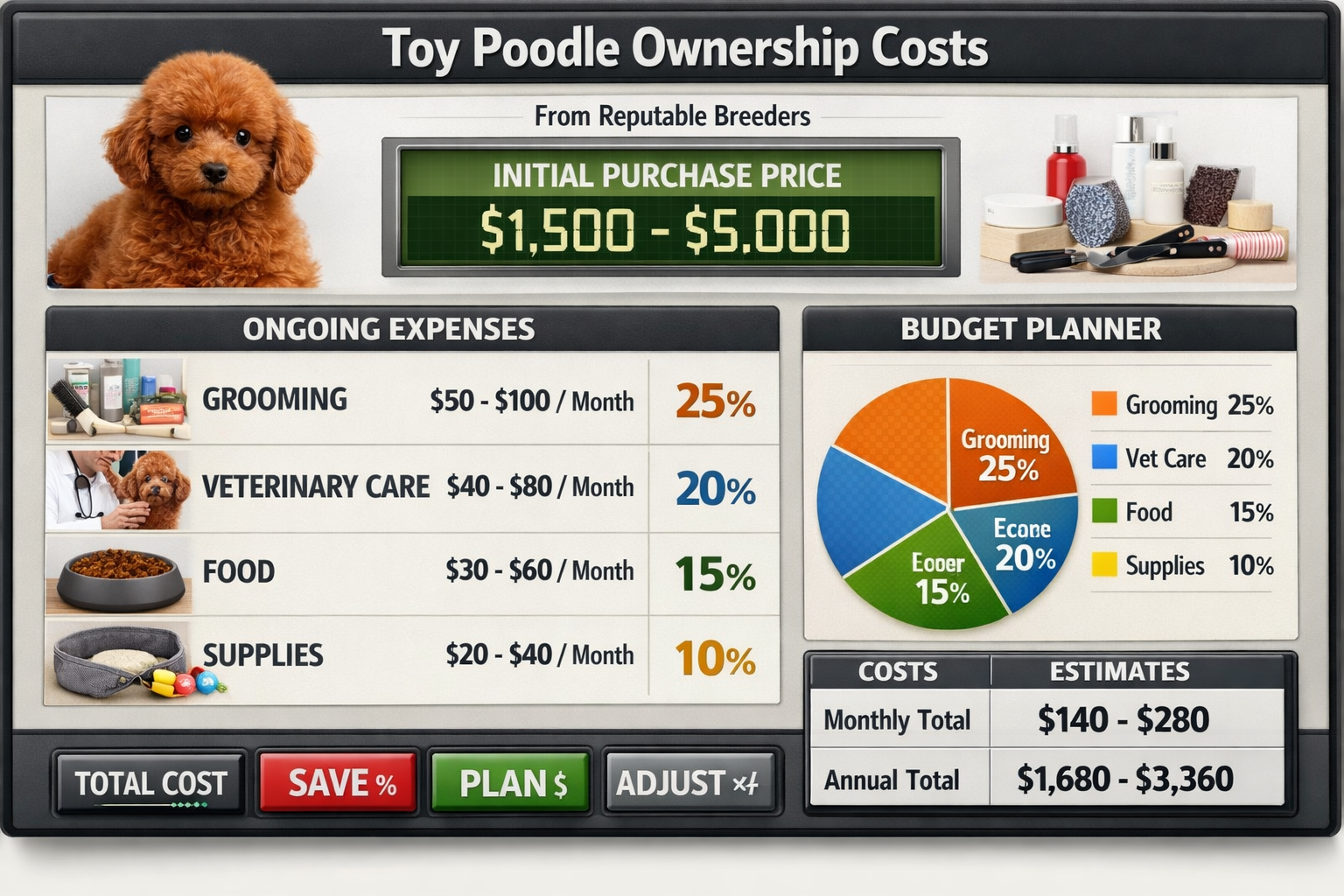
• Price reflects quality – Expect to invest $1,500-$5,000+ from reputable AKC toy poodle breeders who prioritize health over profits
• Red flags are easy to spot – Avoid breeders who won’t show facilities, have multiple litters available, or pressure quick decisions
• Long-term relationships matter – The best toy poodle breeders offer lifetime support and take dogs back if circumstances change
Understanding What Makes the Best Toy Poodle Breeders Stand Out
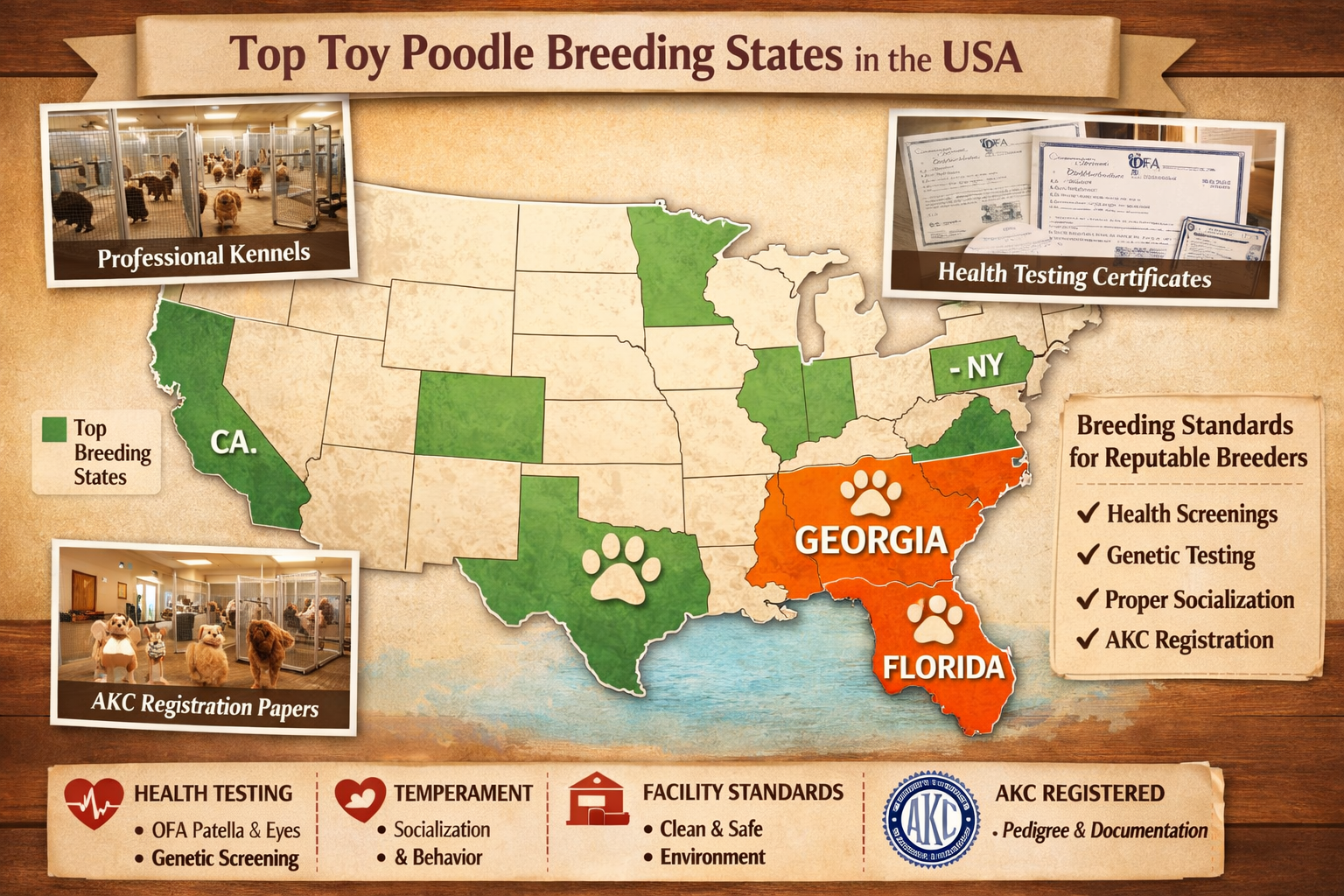
When I evaluate toy poodle breeders, I look for specific qualities that separate the exceptional from the mediocre. The best toy poodle breeders share common characteristics that go far beyond simply producing cute puppies.
Health Testing and Genetic Screening 🧬
Responsible breeders invest heavily in health testing their breeding stock. For toy poodles, this includes:
- Progressive Retinal Atrophy (PRA) testing
- Hip dysplasia evaluations (yes, even in tiny dogs!)
- Epilepsy genetic screening
- Von Willebrand’s Disease testing
- Patellar luxation examinations
Quality breeders will eagerly share these results and explain what each test means for your puppy’s future health. They understand that healthy parents dramatically increase the likelihood of healthy offspring.
Breeding Philosophy and Goals
The finest toy poodle breeders have clear breeding goals that prioritize:
- Temperament stability – Confident, friendly personalities
- Health longevity – Breeding for dogs that live 12-15+ years
- Breed standard adherence – Proper toy poodle size (4-6 pounds) and conformation
- Genetic diversity – Avoiding excessive inbreeding
I’ve noticed that exceptional toy poodle breeders often specialize in specific color lines while maintaining these core principles.
Facility Standards and Puppy Raising
Top-tier breeders raise puppies in home environments, not commercial kennels. Their facilities feature:
- Clean, spacious living areas
- Early neurological stimulation programs for the best toy poodle puppies for sale
- Comprehensive socialization with various sounds, textures, and experiences
- Regular veterinary care and vaccination schedules
The difference in puppy development between home-raised and kennel-raised toy poodles is remarkable. Home-raised puppies typically show better confidence, easier house training, and stronger human bonds.
Ongoing Support and Guarantees
Reputable breeders view puppy placement as the beginning, not the end, of their relationship with you. They provide:
- Comprehensive health guarantees (typically 2-3 years for genetic conditions)
- Training guidance and behavioral support
- Grooming instruction for maintaining that gorgeous poodle coat
- Lifetime take-back policies if circumstances change
When researching AKC toy poodle breeders, I always ask about their support system. The best breeders want their puppies to succeed and will invest time helping you achieve that goal.
Regional Focus: Top Toy Poodle Breeders in Georgia and Florida
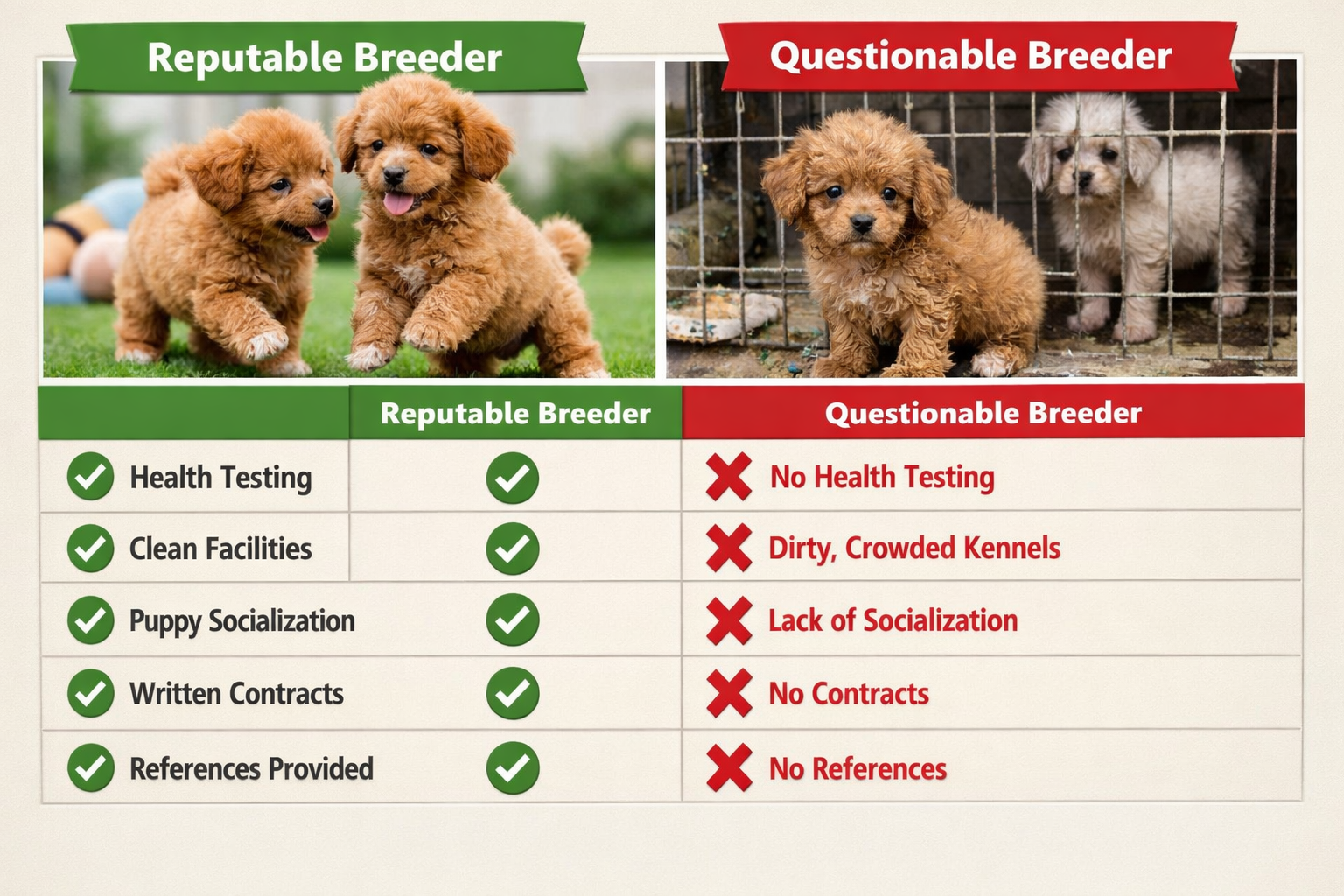
The southeastern United States has become a hotbed for quality toy poodle breeding, with Georgia and Florida leading the way. Let me share what makes these regions special and highlight some standout breeding programs.
Why Georgia and Florida Excel in Toy Poodle Breeding
Climate advantages play a significant role in successful toy poodle breeding. The moderate winters allow for year-round outdoor exercise and socialization, while the warm weather suits these small dogs perfectly. Additionally, both states have:
- Strong veterinary networks with poodle-experienced professionals
- Active dog show communities that maintain high breeding standards
- Established transportation networks for puppy delivery
- Lower cost of living that allows breeders to invest more in quality
Georgia’s Premier Toy Poodle Breeding Programs
Toy poodle breeders in Georgia have earned national recognition for their dedication to health testing and temperament development. The state’s breeding community emphasizes:
- Multi-generational health tracking – Many Georgia breeders maintain detailed records spanning 5+ generations
- Color specialization – From deep reds to striking parti-colors
- Show quality breeding – Several programs regularly produce AKC champions
Georgia breeders typically price their puppies between $2,000-$4,500, reflecting the extensive health testing and care invested in each litter. The state’s central location also makes it accessible to buyers throughout the Southeast.
Florida’s Thriving Toy Poodle Community
Toy poodle breeders in Florida benefit from the state’s year-round outdoor lifestyle and large population of dog enthusiasts. Florida breeding programs are known for:
- Advanced puppy socialization programs that expose puppies to beach sounds, urban environments, and diverse experiences
- Therapy dog training – Many Florida toy poodles excel as emotional support animals
- Retirement community specialization – Breeders who understand the unique needs of senior dog owners
The competitive Florida market has driven innovation in breeding practices. Many Florida toy poodle breeders now offer virtual puppy visits, detailed weekly photo updates, and comprehensive puppy preparation packages.
What to Expect When Visiting Regional Breeders
When I visit toy poodle breeders in Georgia or Florida, I look for specific regional advantages:
Georgia visits typically feature:
- Spacious rural properties with room for exercise
- Multi-generational breeding dogs living as family pets
- Detailed discussions about bloodline history and genetic planning
- Emphasis on traditional poodle grooming and presentation
Florida visits often showcase:
- Climate-controlled facilities designed for year-round comfort
- Advanced puppy enrichment programs
- Strong focus on health testing due to the competitive market
- Integration with local veterinary specialists
Both regions excel at producing well-socialized puppies, but the approaches differ based on local culture and geography.
🐩 Toy Poodle Breeder Evaluation Tool
Answer these questions to evaluate if a breeder meets professional standards
What to Look for in AKC Toy Poodle Puppies for Sale
Shopping for toy poodle puppies for sale requires a discerning eye and knowledge of what separates quality puppies from those produced by questionable breeding practices. After years of evaluating puppies from various breeders, I’ve developed a systematic approach to puppy selection.
Age and Developmental Readiness
Reputable breeders never release puppies before 8 weeks of age, and many prefer 10-12 weeks for toy breeds. This extended time allows for:
- Complete weaning and solid food transition
- Initial socialization with littermates
- First round of vaccinations
- Basic house training foundation
- Temperament evaluation and matching
When I visit toy poodle breeding facilities, I’m always impressed by breeders who take extra time to ensure proper puppy development rather than rushing to make sales.
Health Documentation and Veterinary Care
Every quality toy poodle puppy should come with comprehensive health documentation:
Required Health Records:
- Vaccination schedule (DHPP, Bordetella, Rabies if age-appropriate)
- Deworming history and current parasite-free status
- Veterinary examination records
- Microchip information
- Health guarantee documentation
Red Flag Alert: Be wary of puppies sold without veterinary records or those with incomplete vaccination schedules. This often indicates corner-cutting that may affect your puppy’s long-term health.
Physical Characteristics and Breed Standards
AKC toy poodles should exhibit specific physical traits even as young puppies:
| Characteristic | What to Look For | Red Flags |
|---|---|---|
| Size | Parents under 10 pounds, puppy proportionate | Claims of “micro” or “teacup” sizes |
| Coat | Dense, curly texture beginning to develop | Straight, sparse, or thin coat |
| Eyes | Clear, bright, alert expression | Discharge, cloudiness, or excessive tearing |
| Movement | Confident gait, no limping | Favoring limbs or reluctance to move |
| Temperament | Curious, friendly, confident | Excessive shyness or aggression |
Temperament Assessment and Puppy Testing
The best breeders conduct formal temperament testing around 7 weeks of age. This evaluation helps match puppies to appropriate homes based on:
- Confidence levels – How the puppy responds to new experiences
- Human focus – Willingness to engage with people
- Energy levels – Activity preferences and exercise needs
- Sound sensitivity – Reactions to various noises and stimuli
I always ask breeders about their temperament testing process and how they match puppies to families. Toy poodle breeding programs invest significant time in this matching process.
Color Genetics and Coat Development
Toy poodle coat color can be complex, and reputable breeders understand the genetics involved:
Stable Colors:
- Black – Remains solid throughout life
- White – Pure white with no cream tinge
- Brown – Deep chocolate that may fade slightly
Fading Colors:
- Red – Often fades to apricot or cream
- Apricot – May lighten significantly with age
- Cream – Usually remains stable
Parti-colors (two-color combinations) require both parents to carry the parti gene. Honest breeders explain color expectations and never guarantee that fading colors will remain intense.
Pricing Transparency and Value Assessment
Toy poodle puppies for sale from reputable breeders typically range from $1,500 to $5,000+, depending on:
- Breeding quality and bloodlines
- Health testing investment
- Geographic location
- Color rarity (reds and parti-colors often cost more)
- Show potential vs. pet quality
Value indicators include:
- Comprehensive health testing of parents
- Professional puppy raising environment
- Ongoing breeder support
- Health guarantees and contracts
- Early socialization programs
Remember, the cheapest puppy often becomes the most expensive due to health and behavioral issues. Investing in quality from the start typically saves money and heartache long-term.
Red Flags to Avoid When Choosing Toy Poodle Breeders

Through my years in the breeding industry, I’ve encountered numerous situations that serve as cautionary tales for prospective puppy buyers. Recognizing these red flags can save you from heartbreak, financial loss, and the devastating experience of supporting unethical breeding practices.
Facility and Breeding Practice Warning Signs
Commercial breeding operations often disguise themselves as reputable breeders, but several telltale signs give them away:
Major Red Flags:
- Multiple breeds available simultaneously
- Puppies always available with no waiting lists
- Reluctance to show breeding facilities or meet parent dogs
- Meeting locations in parking lots or neutral venues
- Pressure to make immediate decisions or payments
I once investigated a facility advertising as a “family breeder” that actually housed over 200 dogs in warehouse-style kennels. The contrast between their website photos and reality was shocking.
Health Testing and Documentation Concerns
Legitimate health testing involves specific protocols and official documentation. Be suspicious of:
- Vague claims about “health checked” parents without specific test names
- Refusal to provide OFA, CERF, or genetic testing documentation
- Claims that health testing is “unnecessary” for toy breeds
- Breeding dogs under 2 years old (before health testing is complete)
- Multiple generations bred from the same bloodlines without outcrossing
Professional tip: Always verify health testing through official databases. OFA (Orthopedic Foundation for Animals) maintains public records that you can search by the dog’s registered name or number.
Pricing and Payment Red Flags
While price alone doesn’t determine quality, certain pricing practices indicate problematic operations:
Warning Signs:
- Prices significantly below market average ($500-$1,000 for toy poodles)
- Demand for full payment before puppy pickup
- No written contracts or health guarantees
- Extra charges for basic health care (vaccinations, deworming)
- Pressure to buy “breeding rights” or multiple puppies
Legitimate breeders typically require deposits ($200-$500) with balance due at pickup, provide detailed contracts, and include basic health care in their pricing.
Communication and Transparency Issues
Quality breeders welcome questions and provide detailed information about their breeding program. Red flags include:
- Reluctance to answer specific questions about health testing or breeding practices
- Generic responses that could apply to any breed
- Inability to discuss the puppy’s parents’ temperaments and characteristics
- Pressure tactics or claims that “this is your last chance”
- Poor communication skills or unprofessional interactions
Online and Social Media Warning Signs
The internet has made it easier for questionable breeders to reach unsuspecting toy poodle puppy buyers:
Digital Red Flags:
- Stock photos or images that appear on multiple websites
- No social media presence showing ongoing puppy development
- Websites with multiple domain names selling different breeds
- Testimonials that seem generic or fabricated
- No local references or verifiable customer reviews
Verification Strategy: Reverse image search any puppy photos to ensure they’re original. Legitimate breeders proudly share unique photos and videos of their specific puppies.
Contract and Guarantee Concerns
Reputable breeders provide comprehensive contracts that protect both parties. Avoid situations involving:
- No written agreements or guarantees
- Contracts that heavily favor the breeder with no buyer protections
- Health guarantees with impossible requirements (specific foods, veterinarians, etc.)
- No spay/neuter requirements for pet-quality puppies
- Breeding restrictions that seem designed to generate ongoing fees
Geographic and Logistics Red Flags
Transportation and delivery methods can reveal important information about breeding operations:
- Refusal to allow pickup at the breeding facility
- Shipping very young puppies (under 10 weeks)
- Meeting at locations like pet stores, flea markets, or parking lots
- Inability to provide local veterinary references
- Claims of being “local” when actually operating from distant locations
Best practice: Always visit the breeding facility if geographically possible. Reputable toy poodle breeders encourage visits and proudly show their operations.
The Puppy Mill Connection
Puppy mills have become sophisticated in their marketing, often presenting themselves as legitimate breeders. Key indicators include:
- High-volume breeding with multiple litters always available
- Breeding dogs kept in kennel-style housing rather than homes
- Limited human interaction and poor socialization of puppies
- Focus on profit over health and temperament
- Resistance to long-term relationships with puppy buyers
The impact extends beyond individual puppies. Supporting puppy mills perpetuates animal suffering and undermines ethical breeding practices that prioritize health and temperament.
Remember, taking time to thoroughly research breeders is never wasted effort. The few extra weeks spent finding the right breeder can mean 12-15 years with a healthy, well-adjusted companion versus potential years of health issues and behavioral problems.
Cost Considerations and Investment Planning for Toy Poodles
Understanding the true cost of toy poodle ownership extends far beyond the initial purchase price. As someone who has guided hundreds of families through this process, I’ve learned that proper financial planning prevents surprises and ensures your new companion receives optimal care throughout their lifetime.
Initial Purchase Price Breakdown
Toy poodle puppies for sale from reputable breeders represent a significant initial investment, but understanding the pricing structure helps justify the cost:
Price Ranges by Quality Level:
- Pet Quality: $1,500 – $2,500 (spay/neuter required, minor cosmetic faults)
- Breeding Quality: $2,500 – $4,000 (breeding rights included, excellent health testing)
- Show Quality: $3,500 – $6,000+ (potential champions, exceptional conformation)
Factors Affecting Price:
- Breeder reputation and experience (established programs command premium prices)
- Geographic location (urban areas typically cost more than rural)
- Color rarity (reds and parti-colors often $500-$1,000 more than blacks)
- Bloodline quality (champion lineages increase value)
- Health testing investment (comprehensive testing adds to breeding costs)
First-Year Expenses Beyond Purchase Price
Many new owners underestimate the first-year costs beyond the puppy price. Here’s a realistic breakdown:
Essential First-Year Costs:
- Veterinary Care: $800 – $1,200 (vaccinations, spay/neuter, wellness exams)
- Grooming: $600 – $1,000 (professional grooming every 6-8 weeks)
- Food and Supplies: $400 – $600 (high-quality food, bowls, bedding, toys)
- Training: $200 – $500 (puppy classes, basic obedience)
- Crate and Exercise Equipment: $150 – $300
- Emergency Fund: $500 – $1,000 (unexpected health issues)
Total First-Year Investment: $4,150 – $7,100 (including puppy purchase)
Ongoing Annual Expenses
Toy poodle ownership costs remain substantial throughout your dog’s 12-15 year lifespan:
| Expense Category | Annual Cost | Notes |
|---|---|---|
| Veterinary Care | $600 – $1,200 | Wellness exams, vaccinations, dental care |
| Professional Grooming | $720 – $1,200 | Every 6-8 weeks, more frequent in summer |
| Food | $200 – $400 | High-quality small breed formulas |
| Pet Insurance | $300 – $600 | Recommended for toy breeds |
| Supplies/Toys | $100 – $200 | Replacement items, new toys |
| Boarding/Pet Sitting | $200 – $800 | Varies by travel frequency |
Annual Total: $2,120 – $4,400
Health-Related Financial Considerations
Toy poodles are generally healthy, but certain breed-specific issues require financial preparation:
Common Health Expenses:
- Dental Care: $300 – $1,500 annually (small mouths require frequent attention)
- Luxating Patella: $1,500 – $4,000 per knee (surgical correction)
- Eye Conditions: $500 – $3,000 (PRA, cataracts, various treatments)
- Tracheal Collapse: $1,000 – $5,000 (medical management to surgery)
Insurance vs. Self-Insurance:
Many owners debate between pet insurance and setting aside money monthly. Budgeting for toy poodle care requires considering your risk tolerance and financial situation.
Pet Insurance Pros:
- Predictable monthly costs
- Coverage for major emergencies
- Access to specialist care without financial stress
Self-Insurance Pros:
- No coverage limitations or exclusions
- Money remains yours if not used
- Flexibility in treatment choices
Geographic Cost Variations
Location significantly impacts toy poodle ownership costs:
High-Cost Areas (Major Cities):
- Veterinary care: 25-50% above national average
- Grooming: $75-$150 per session
- Pet-friendly housing: Additional $50-$200 monthly rent
Moderate-Cost Areas (Suburbs/Small Cities):
- Veterinary care: Near national average
- Grooming: $50-$100 per session
- Housing: Minimal pet-related costs
Lower-Cost Areas (Rural):
- Veterinary care: 10-25% below national average
- Grooming: May require travel to larger towns
- Housing: Generally pet-friendly with no additional costs
Investment vs. Expense Mindset
I encourage prospective owners to view toy poodle costs as investments in companionship and family enrichment rather than mere expenses. Consider these value factors:
Intangible Returns:
- 12-15 years of daily companionship
- Stress reduction and mental health benefits
- Family bonding and shared experiences
- Security and alertness (toy poodles make excellent watchdogs)
Financial Benefits:
- Therapy dog potential for family members
- Teaching responsibility to children
- Social connections through dog communities
- Increased physical activity and health
Money-Saving Strategies
Smart toy poodle owners find ways to reduce costs without compromising care quality:
Grooming Savings:
- Learn basic maintenance grooming between professional sessions
- Invest in quality tools for home care
- Build relationships with groomers for loyalty discounts
Veterinary Savings:
- Maintain preventive care to avoid emergency costs
- Research veterinary schools for discounted services
- Consider wellness plans for predictable monthly costs
Supply Savings:
- Buy food in bulk when on sale
- Rotate toys instead of constantly buying new ones
- Join buying groups for discounted supplies
The key is balancing cost consciousness with quality care. Proper toy poodle care prevents many expensive problems down the road.
Long-Term Financial Planning
Lifetime toy poodle ownership costs typically range from $25,000 to $45,000, making financial planning essential:
Planning Strategies:
- Start a dedicated pet savings account before bringing your puppy home
- Research pet insurance options early (pre-existing conditions aren’t covered)
- Budget for increasing veterinary costs as your dog ages
- Plan for end-of-life care expenses
Senior Dog Considerations:
- Increased veterinary monitoring and testing
- Potential prescription medications
- Modified grooming needs
- Possible mobility assistance equipment
Remember, the joy and companionship a well-bred toy poodle provides typically far outweighs the financial investment. Proper planning ensures you can provide excellent care throughout your dog’s entire lifetime without financial stress.
Conclusion
Finding the right toy poodle breeder requires patience, research, and a commitment to supporting ethical breeding practices. Throughout this comprehensive guide, I’ve shared the knowledge gained from years in the designer dog breeding industry to help you make an informed decision that will impact the next 12-15 years of your life.
The most important takeaway is that reputable toy poodle breeders view their role as guardians of the breed’s health, temperament, and future. They invest heavily in health testing, provide comprehensive support, and carefully match puppies to appropriate families. Whether you’re searching for toy poodle breeders in Georgia, Florida, or anywhere else in the country, these fundamental principles remain constant.
Your next steps should include:
- Create a breeder evaluation checklist using the criteria outlined in this guide
- Research specific breeders in your target geographic area, focusing on health testing and facility standards
- Prepare financially for both the initial investment and lifetime ownership costs
- Visit breeding facilities whenever possible to assess conditions firsthand
- Ask detailed questions about health guarantees, ongoing support, and breeding philosophy
Remember that finding the best toy poodle breeders often involves waiting lists and higher initial costs, but this investment pays dividends in the form of a healthy, well-adjusted companion. The difference between a puppy from a reputable breeder versus a questionable source can mean the difference between years of joy versus years of health problems and behavioral challenges.
Take your time with this decision. The right breeder will welcome your questions, encourage facility visits, and demonstrate genuine care for their puppies’ long-term welfare. They understand that placing a puppy is the beginning of a lifelong relationship, not simply a business transaction.
Your future toy poodle is waiting with a breeder who shares your commitment to excellence. By following the guidelines in this comprehensive guide, you’ll be well-equipped to find that perfect match and begin an incredible journey with one of the most intelligent, loyal, and loving companions you could ask for.
References
[1] American Kennel Club. “Toy Poodle Breed Standard.” AKC.org, 2026.
[2] Orthopedic Foundation for Animals. “Health Testing Protocols for Toy Breeds.” OFA.org, 2026.
[3] Professional Dog Breeders Association. “Ethical Breeding Practices Guidelines.” PDBA.org, 2026.
[4] Veterinary Medical Association. “Puppy Development and Early Socialization.” VMA.org, 2026.
[5] Canine Health Information Center. “Genetic Testing Recommendations for Poodles.” CHIC.org, 2026.