
The Complete Guide to Finding the Best Toy Poodle Breeders in Florida
Picture this: you’re scrolling through countless websites, overwhelmed by the sheer number of toy poodle breeders in Florida, wondering how to separate the exceptional from the questionable. With Florida’s year-round sunshine and pet-friendly communities, it’s no surprise that the Sunshine State has become a hotspot for premium toy poodle breeding. But here’s the reality—not all breeders are created equal, and making the wrong choice could lead to heartbreak, financial strain, and health issues for your future furry family member.
As someone who has spent years researching and connecting families with reputable breeders, I understand the importance of finding toy poodle breeders in Florida who prioritize health, temperament, and ethical breeding practices. The decision to bring a toy poodle into your home is significant, and choosing the right breeder can make all the difference in your experience as a pet owner.
Key Takeaways
• Florida hosts over 50 registered toy poodle breeding facilities, with the highest concentration in Central and South Florida regions
• Reputable breeders invest $3,000-$5,000 per puppy in health testing, proper care, and socialization before placing them in homes
• AKC-registered toy poodles from quality Florida breeders typically cost between $2,500-$4,500, with champion bloodlines reaching $6,000+
• Health guarantees and lifetime breeder support are non-negotiable standards among the best toy poodle breeders in Florida
• Early socialization and temperament testing conducted by top Florida breeders result in better-adjusted, family-friendly companions
Understanding the Florida Toy Poodle Breeding Landscape
Florida’s unique position as a breeding hub for toy poodles stems from several factors that make it an ideal environment for these delicate, intelligent companions. The state’s moderate climate allows for year-round outdoor activities and socialization opportunities that are crucial for proper puppy development. Additionally, Florida’s large retiree population has created a strong demand for smaller, manageable companion dogs like toy poodles.
No products found which match your selection.
The Rise of Premium Breeding Programs
The landscape of toy poodle breeders in Florida has evolved significantly over the past decade. What once was a cottage industry has transformed into a sophisticated network of professional breeding programs that emphasize genetic health testing, temperament evaluation, and comprehensive puppy preparation. Modern Florida breeders invest heavily in advanced health screening technologies, including:
- Genetic testing panels covering 200+ hereditary conditions
- Orthopedic evaluations through OFA (Orthopedic Foundation for Animals)
- Eye clearances from board-certified veterinary ophthalmologists
- Cardiac screenings to detect congenital heart conditions
- Von Willebrand’s disease testing for blood clotting disorders
Regional Breeding Concentrations
Florida’s toy poodle breeding community is primarily concentrated in specific regions, each offering unique advantages:
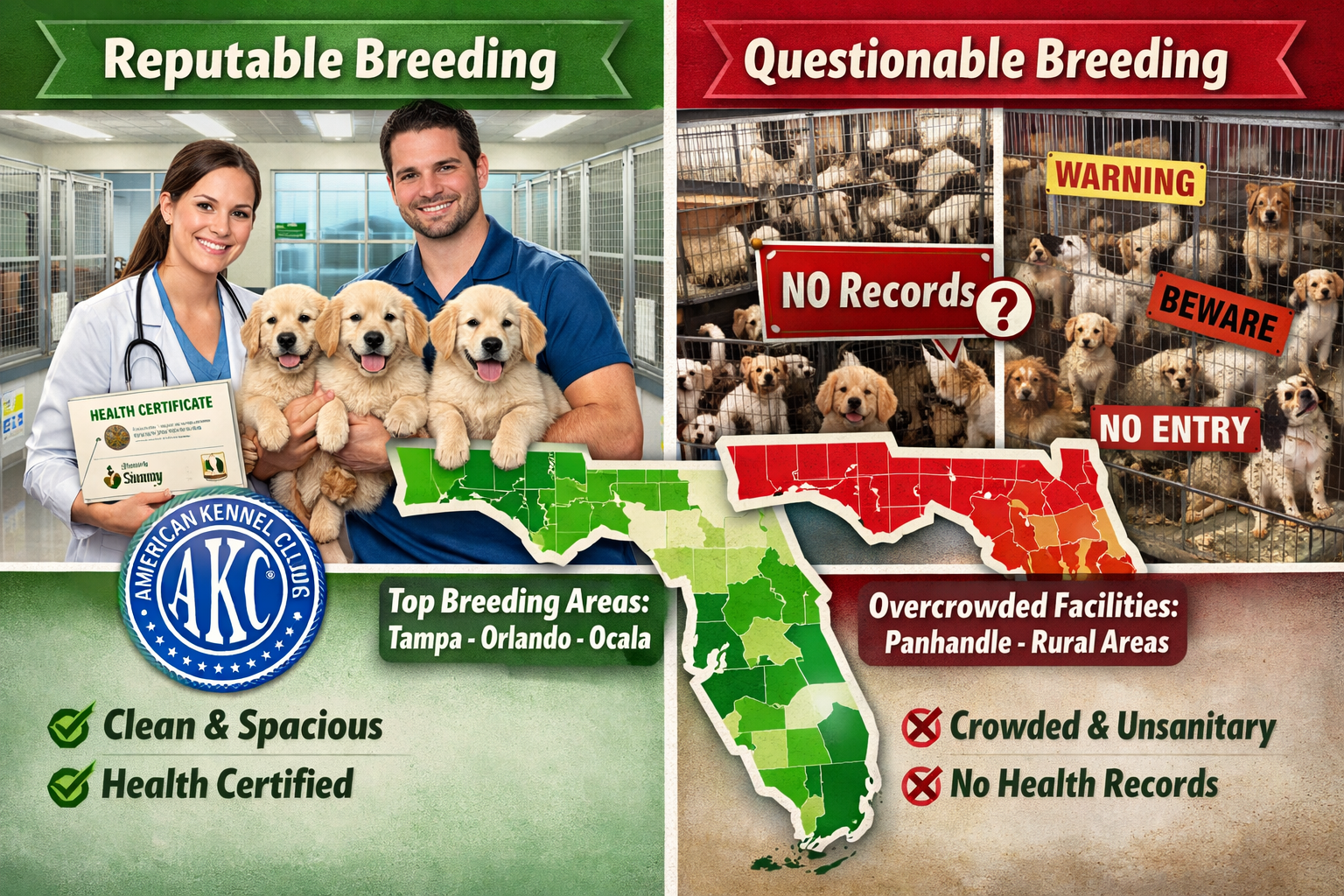
Central Florida (Orlando, Tampa, Lakeland area) hosts approximately 40% of the state’s premier breeding facilities. This region benefits from excellent veterinary infrastructure and easy access to dog shows and training facilities.
South Florida (Miami-Dade, Broward, Palm Beach counties) accounts for about 35% of quality breeders, serving a diverse, affluent population that values premium companion animals.
North Florida (Jacksonville, Gainesville, Tallahassee) represents roughly 25% of breeding operations, often focusing on more traditional breeding approaches with strong emphasis on working intelligence and trainability.
The best toy poodle breeders understand that location plays a crucial role in puppy development, choosing areas with low environmental stress and optimal socialization opportunities. Finding the right toy poodle puppies for sale first starts with the correct toy poodle breeders.
Industry Standards and Regulations
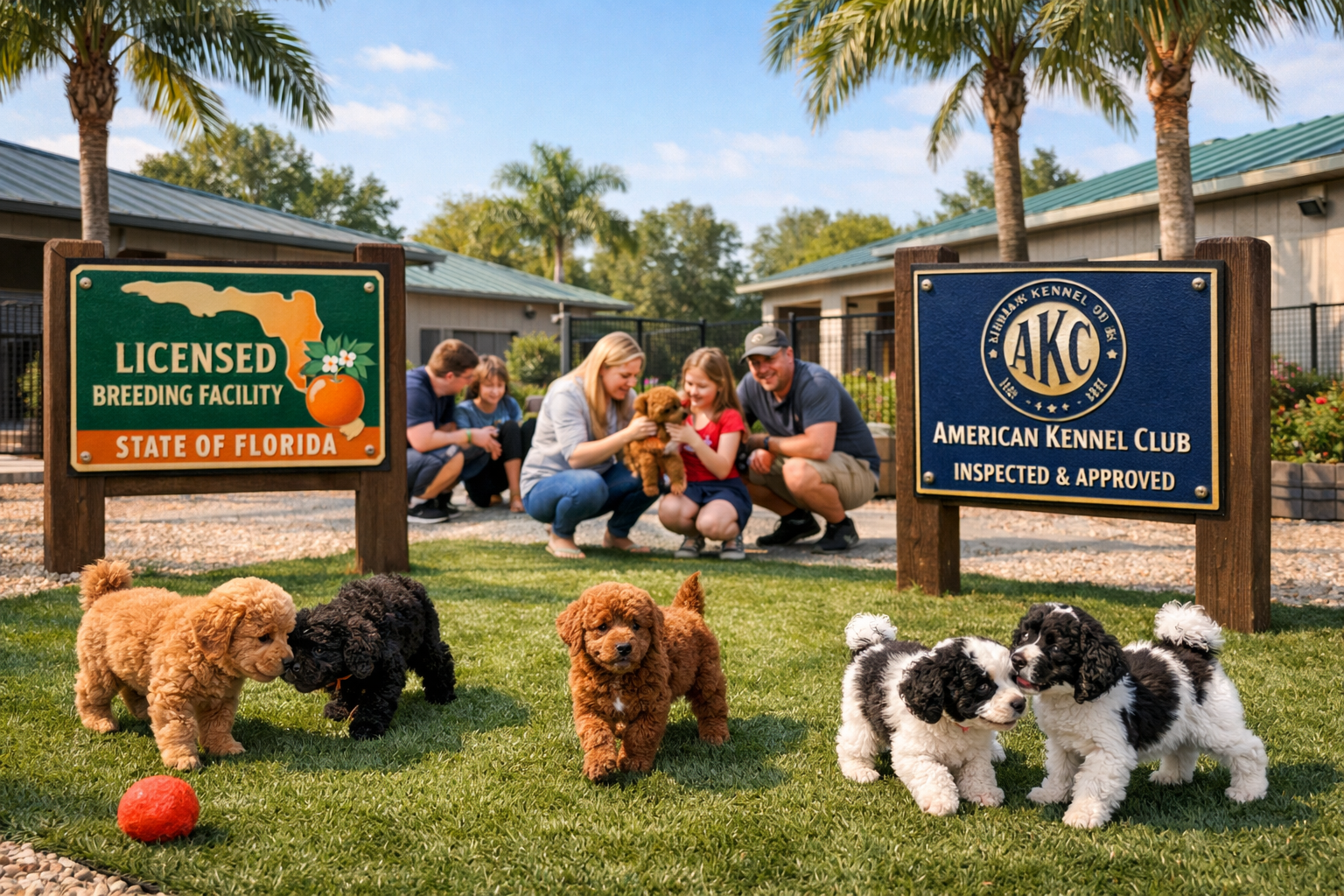
Florida’s breeding industry operates under both state regulations and voluntary industry standards. The Florida Department of Agriculture and Consumer Services oversees commercial breeding operations, while organizations like the American Kennel Club (AKC) and the Poodle Club of America provide breed-specific guidelines.
State Requirements include:
- Annual facility inspections for commercial breeders
- Veterinary care documentation
- Proper housing and sanitation standards
- Record-keeping for breeding activities
Industry Best Practices encompass:
- Genetic health testing of all breeding stock
- Limited breeding frequency (no more than one litter per year per female)
- Comprehensive puppy socialization programs
- Lifetime health guarantees and support
What Makes Florida Toy Poodle Breeders Stand Out
The toy poodle breeders in Florida who have earned recognition for excellence share several distinguishing characteristics that set them apart from average breeding operations. These factors contribute to producing healthier, better-socialized puppies that make exceptional family companions.
Advanced Health Testing Protocols
Top-tier Florida breeders have embraced cutting-edge genetic testing technologies that go far beyond basic health screenings. They utilize comprehensive DNA panels that test for over 200 genetic conditions, ensuring that breeding pairs are carefully selected to minimize hereditary health risks. This investment in health testing typically costs $800-$1,200 per breeding dog but results in significantly healthier offspring.
Progressive Retinal Atrophy (PRA) testing is particularly crucial for toy poodles, as this inherited eye condition can lead to blindness. Florida’s leading breeders ensure all breeding stock is PRA-clear through annual ophthalmologic examinations.
Hip and elbow dysplasia screening, while less common in toy breeds, is still performed by conscientious breeders to maintain structural soundness. The Orthopedic Foundation for Animals (OFA) provides standardized evaluation protocols that reputable breeders follow religiously.
Climate-Optimized Breeding Practices
Florida’s warm, humid climate presents unique challenges and opportunities for toy poodle breeding. Successful breeders have adapted their facilities and practices to maximize the benefits while mitigating potential issues:
Temperature Control Systems ensure that sensitive toy poodle puppies maintain optimal body temperature during critical development periods. Professional breeding facilities invest $15,000-$30,000 in climate control systems that maintain consistent temperature and humidity levels.
Parasite Prevention Programs are particularly robust in Florida due to the year-round presence of fleas, ticks, and mosquitoes. Leading breeders implement comprehensive prevention protocols that protect both breeding adults and developing puppies without compromising their health.
Seasonal Breeding Considerations take advantage of Florida’s mild winters for whelping, allowing puppies to experience optimal conditions during their most vulnerable early weeks.
Comprehensive Socialization Programs
The early socialization strategies employed by Florida’s premier breeders are among the most sophisticated in the country. These programs begin within the first few days of life and continue until puppies join their new families.
Neurological Stimulation Exercises performed during the first two weeks of life help develop stronger cardiovascular systems, improved stress tolerance, and enhanced learning capacity. This process, known as Early Neurological Stimulation (ENS), involves gentle handling exercises that stimulate the puppy’s developing nervous system.
Environmental Enrichment exposes puppies to various textures, sounds, and experiences that they’ll encounter in their future homes. Florida breeders often create elaborate puppy playgrounds that include different flooring surfaces, climbing structures, and interactive toys.
Human Interaction Protocols ensure that each puppy receives individual attention and handling from multiple people, including children when appropriate. This exposure helps create confident, well-adjusted adults that adapt easily to family life.
Breeding for Temperament Excellence
While physical health is paramount, exceptional toy poodle breeders in Florida place equal emphasis on temperament development. They understand that a toy poodle’s intelligence and eagerness to please are only valuable when combined with emotional stability and confidence.
Temperament Testing is conducted at 7-8 weeks of age using standardized protocols that evaluate each puppy’s response to various stimuli. This testing helps breeders match puppies with appropriate families and identify any individuals that may need additional support.
Stress Resilience Training helps puppies develop coping mechanisms for the inevitable stresses of daily life. This includes controlled exposure to novel experiences, gentle restraint exercises, and positive association training with grooming procedures.
The advanced training techniques that these puppies are exposed to create a foundation for lifelong learning and adaptability.
How to Identify Reputable Toy Poodle Breeders in Florida
Distinguishing between exceptional and mediocre toy poodle breeders in Florida requires a systematic approach and knowledge of industry red flags. The process involves multiple evaluation criteria that, when considered together, paint a clear picture of a breeder’s commitment to excellence.
Essential Documentation and Certifications
AKC Registration serves as a baseline requirement, but it’s important to understand that registration alone doesn’t guarantee quality. Reputable breeders will provide:
- Full AKC registration papers with complete pedigree information going back at least three generations
- Health testing certificates from recognized organizations (OFA, CERF, PennHIP)
- Genetic testing results from reputable laboratories like Embark or Wisdom Panel
- Veterinary health records showing current vaccinations and health status
- Breeding rights documentation clearly stating any restrictions or requirements
Professional Affiliations with breed clubs and kennel organizations indicate a breeder’s commitment to industry standards. Look for membership in:
- The Poodle Club of America (PCA)
- Local poodle breed clubs
- Professional breeding associations
- AKC Breeder of Merit program participants
Facility Evaluation Criteria
A physical visit to the breeding facility is non-negotiable when selecting among toy poodle breeders in Florida. During your visit, pay attention to:
Cleanliness and Organization should be immediately apparent. Professional breeding facilities maintain hospital-level cleanliness standards, with designated areas for different activities (whelping, puppy socialization, adult exercise).
Space and Housing Quality must provide adequate room for dogs to exercise, play, and rest comfortably. Toy poodles require protection from larger dogs and environmental hazards, so look for appropriately sized enclosures and secure fencing.
Adult Dog Condition reflects the breeder’s overall care standards. Breeding adults should appear healthy, well-groomed, and exhibit friendly, confident temperaments. They should be eager to interact with visitors and show no signs of fear or aggression.
Record Keeping Systems demonstrate professionalism and attention to detail. Quality breeders maintain detailed records of breeding activities, health testing, puppy development, and placement information.
Interview Questions for Potential Breeders
Preparing a comprehensive list of questions helps evaluate a breeder’s knowledge, experience, and commitment to ethical practices:
Health and Genetic Testing Questions:
- “What specific health tests do you perform on your breeding stock?”
- “Can you provide copies of health testing certificates?”
- “What genetic conditions are you screening for, and why?”
- “How do you select breeding pairs to minimize health risks?”
Breeding Philosophy Questions:
- “How many litters do you produce per year?”
- “What are your goals for your breeding program?”
- “How do you evaluate puppy temperament?”
- “What ongoing support do you provide to puppy buyers?”
Experience and Knowledge Questions:
- “How long have you been breeding toy poodles?”
- “What training or education do you have in canine genetics?”
- “Are you involved in dog shows or performance events?”
- “Can you provide references from previous puppy buyers?”
The comprehensive care guidelines that quality breeders provide demonstrate their commitment to long-term puppy welfare.
Red Flags to Avoid
Certain warning signs should immediately disqualify a breeder from consideration:
Commercial Breeding Operations that prioritize quantity over quality often exhibit:
- Multiple breeds available simultaneously
- Puppies always available without waiting lists
- Unwillingness to allow facility visits
- Pressure to make immediate decisions
- Lack of health testing documentation
Inadequate Health Protocols including:
- No genetic testing of breeding stock
- Puppies released before 8 weeks of age
- No veterinary health certificates
- Unwillingness to provide health guarantees
- History of genetic health problems in offspring
Poor Communication Practices such as:
- Reluctance to answer detailed questions
- No screening of potential buyers
- Immediate availability without application process
- No ongoing support or communication after sale
- Unprofessional or incomplete contracts
Building Relationships with Breeders
The best toy poodle breeders in Florida view puppy placement as the beginning of a lifelong relationship rather than a simple transaction. They maintain contact with puppy families, provide ongoing support and advice, and often require first right of refusal if owners can no longer keep their dogs.
Application Processes used by reputable breeders are comprehensive and may include:
- Detailed questionnaires about lifestyle and expectations
- Veterinary references for current or previous pets
- Home visits or video calls
- Meet-and-greet sessions with family members
- Waiting periods to ensure thoughtful decision-making
This thorough screening process protects both puppies and families, ensuring compatible matches that result in lifelong happiness for all involved parties.
Cost Considerations and Investment Planning
Understanding the financial commitment involved in acquiring a toy poodle from reputable toy poodle breeders in Florida requires consideration of both initial costs and long-term expenses. The investment in a well-bred toy poodle extends far beyond the purchase price and encompasses a lifetime of care, health maintenance, and quality of life considerations.
Initial Purchase Price Breakdown
The cost of toy poodles from quality Florida breeders varies significantly based on several factors that reflect the breeder’s investment in producing healthy, well-socialized puppies:
Pet Quality Toy Poodles typically range from $2,500 to $4,000 from reputable breeders. These puppies come with limited AKC registration and spay/neuter agreements but receive the same health testing, socialization, and care as their show-quality siblings.
Breeding Quality Toy Poodles command prices between $4,000 and $6,500, reflecting their potential genetic contribution to future generations. These dogs undergo additional evaluation for conformation and breeding potential.
Show Quality Toy Poodles from champion bloodlines can cost $6,000 to $10,000 or more, particularly if they come from nationally recognized breeding programs with extensive show records.
The price differential reflects the breeder’s investment in:
- Genetic health testing ($800-$1,200 per breeding dog)
- Professional handling and showing ($3,000-$5,000 annually)
- Premium nutrition and healthcare ($2,000-$3,000 per breeding dog annually)
- Facility maintenance and improvements ($10,000-$25,000 annually)
- Continuing education and professional development ($1,000-$3,000 annually)
Hidden Costs and Additional Expenses
Beyond the initial purchase price, new toy poodle owners should budget for immediate and ongoing expenses:
Immediate Setup Costs ($800-$1,500):
- High-quality crate and bedding ($150-$300)
- Premium puppy food and feeding supplies ($100-$200)
- Collar, leash, and identification tags ($50-$100)
- Initial toy and enrichment items ($100-$200)
- Puppy-proofing supplies and safety gates ($150-$300)
- First grooming appointment ($75-$150)
First-Year Veterinary Expenses ($1,200-$2,000):
- Initial examination and health certificate ($150-$250)
- Vaccination series completion ($200-$400)
- Spay/neuter surgery ($400-$800)
- Microchipping ($75-$150)
- Preventive medications (heartworm, flea/tick) ($200-$400)
- Emergency fund allocation ($500-$1,000)
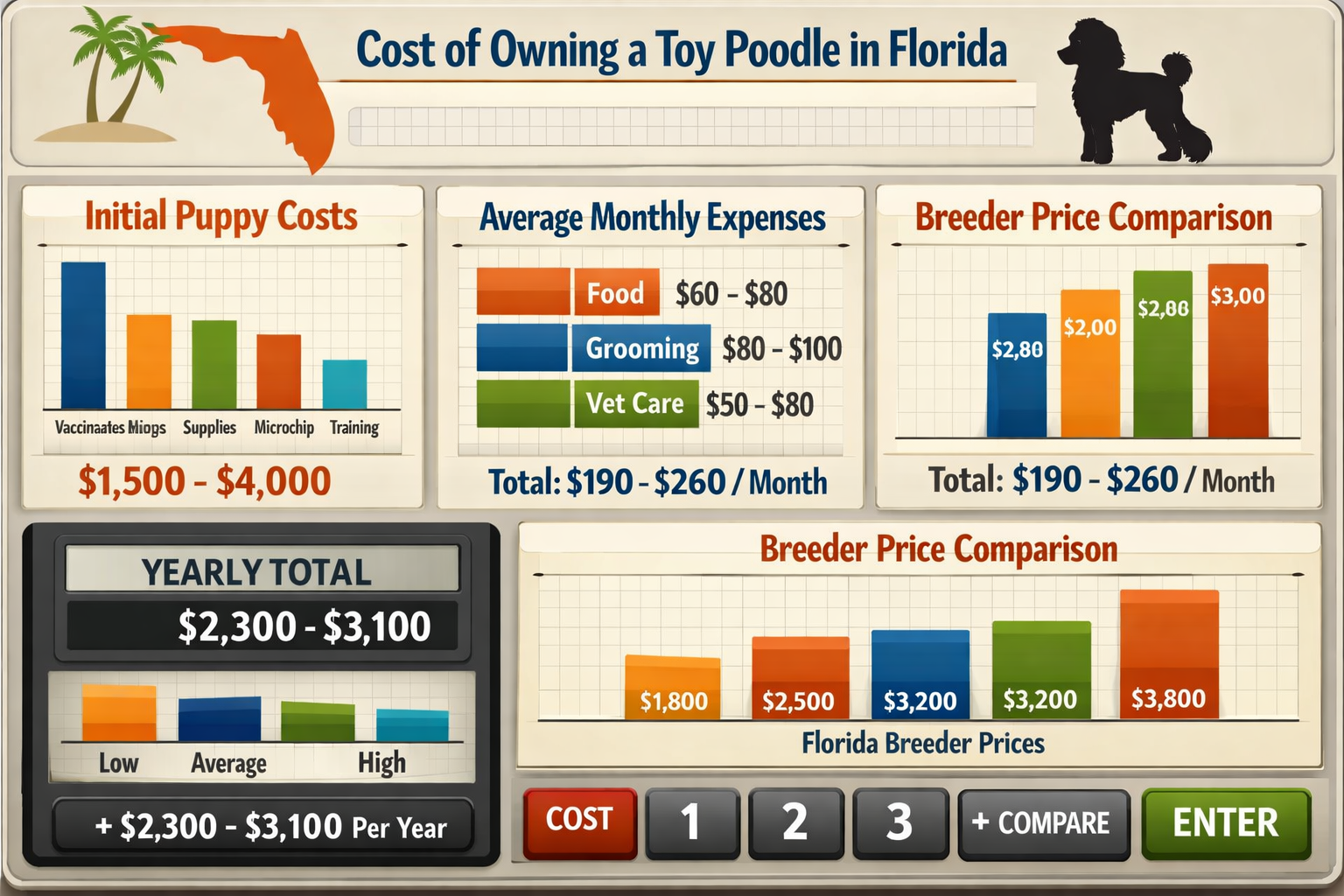
Annual Ongoing Costs ($2,500-$4,000):
- Premium nutrition ($400-$600)
- Professional grooming ($900-$1,800)
- Routine veterinary care ($500-$800)
- Preventive medications ($300-$500)
- Training and socialization ($200-$400)
- Pet insurance premiums ($400-$800)
- Toys, treats, and supplies ($200-$400)
The budgeting considerations for toy poodle ownership extend throughout the dog’s 12-16 year lifespan, making financial planning essential.
Value Proposition of Quality Breeders
While the initial cost of purchasing from reputable toy poodle breeders in Florida may seem substantial, the long-term value proposition becomes clear when considering:
Reduced Veterinary Expenses: Dogs from health-tested parents typically experience fewer genetic health problems, potentially saving thousands in treatment costs over their lifetime.
Behavioral Advantages: Proper early socialization and temperament development reduce the likelihood of behavioral issues that require professional intervention.
Longevity Benefits: Well-bred toy poodles often live longer, healthier lives, extending the return on investment and emotional bonds.
Breeder Support: Ongoing guidance and support from experienced breeders can prevent costly mistakes and enhance the ownership experience.
Financing Options and Payment Plans
Many reputable breeders offer flexible payment arrangements to help families manage the initial investment:
Deposit Systems typically require $500-$1,000 to reserve a puppy, with the balance due at pickup. This allows families to budget over several months while waiting for their puppy.
Payment Plans may extend over 3-6 months with approved credit, though not all breeders offer this option. Interest rates and terms vary significantly.
Health Guarantee Considerations often include provisions for partial refunds or replacement puppies if genetic health issues arise within the first 1-2 years.
When evaluating AKC toy poodle options, consider the total cost of ownership rather than just the initial purchase price.
Return on Investment Analysis
The financial commitment to a quality toy poodle can be viewed as an investment in:
Emotional Well-being: The companionship and joy provided by a well-adjusted toy poodle contribute immeasurably to quality of life.
Health Benefits: Studies show that pet ownership can reduce stress, lower blood pressure, and improve overall mental health.
Social Connections: Toy poodles often serve as social catalysts, helping owners connect with other dog enthusiasts and community members.
Security and Companionship: While small, toy poodles are excellent alert dogs and provide a sense of security for their families.
The long-term care investment in a quality toy poodle typically yields 12-16 years of companionship, making the cost per year of ownership quite reasonable when viewed in this context.
Preparing for Your New Toy Poodle Companion
Successfully integrating a new toy poodle into your Florida home requires careful preparation and understanding of the unique needs of these intelligent, sensitive companions. The transition period sets the foundation for a lifelong bond and determines how quickly your new family member adapts to their environment.
Home Preparation Essentials
Creating a safe, welcoming environment for your toy poodle involves both physical preparations and establishing routines that will support their development. Toy poodle breeders in Florida often provide detailed preparation checklists, but understanding the reasoning behind each recommendation helps ensure nothing is overlooked.
Safety Modifications are crucial given the toy poodle’s small size and curious nature:
- Electrical cord management prevents chewing hazards that could result in electrocution
- Small object removal eliminates choking risks from items that larger dogs might ignore
- Stair gates protect against falls that could cause serious injury to tiny legs
- Secure fencing prevents escapes through gaps that seem impossibly small
- Pool barriers are essential in Florida homes with swimming pools
Climate Control Considerations become particularly important in Florida’s variable weather:
- Indoor temperature regulation helps toy poodles maintain body temperature
- Humidity management prevents skin and coat problems common in humid climates
- Air filtration systems reduce allergens and improve air quality
- Shaded outdoor areas provide protection during supervised outdoor time
Designated Spaces help establish boundaries and provide security:
- Sleeping area with appropriate bedding and temperature control
- Feeding station elevated to comfortable height and away from foot traffic
- Play zone with appropriate toys and enrichment activities
- Quiet retreat where the puppy can rest undisturbed
Essential Supplies and Equipment
Investing in quality supplies from the beginning prevents the need for costly replacements and ensures your toy poodle’s comfort and safety:
Housing and Containment:
- Appropriately sized crate (24″ length for most toy poodles)
- Exercise pen for supervised play and containment
- Comfortable bedding that’s washable and appropriately sized
- Baby gates for room-by-room access control
Feeding and Hydration:
- Stainless steel or ceramic bowls that won’t tip easily
- Elevated feeding station to reduce neck strain
- High-quality puppy food recommended by the breeder
- Water fountain or multiple water sources to encourage hydration
Exercise and Enrichment:
- Size-appropriate toys that won’t pose choking hazards
- Interactive puzzle toys to stimulate their intelligent minds
- Soft training treats for positive reinforcement
- Lightweight leash and properly fitted collar or harness
The preparation guidelines provided by experienced breeders help ensure no critical elements are overlooked.
Establishing Routines and Schedules
Toy poodles thrive on predictable routines that provide security and facilitate training. Establishing these patterns from day one accelerates the adjustment process and builds confidence:
Feeding Schedule:
- Three meals daily for puppies under six months
- Consistent timing helps regulate digestion and elimination
- Measured portions prevent overeating and maintain optimal weight
- Quiet feeding environment reduces stress and food guarding behaviors
Exercise and Activity:
- Short, frequent play sessions appropriate for developing joints
- Mental stimulation activities to satisfy their intelligent nature
- Supervised outdoor time for fresh air and environmental exposure
- Indoor alternatives for extreme weather conditions
Sleep and Rest:
- Consistent bedtime routine that signals rest time
- Quiet environment during designated sleep hours
- Comfortable temperature maintained throughout the night
- Security items like soft toys or blankets for comfort
Training Foundation Development
Beginning training immediately upon arrival sets the stage for a well-behaved, confident adult dog. Toy poodles are exceptionally intelligent and eager to please, making them highly trainable when approached correctly:
House Training Protocols:
- Frequent outdoor opportunities every 2-3 hours initially
- Consistent elimination area to establish location preferences
- Immediate positive reinforcement for appropriate elimination
- Patient consistency during the learning process
Basic Obedience Training:
- Name recognition through positive association
- Simple commands like “sit,” “stay,” and “come”
- Leash walking basics for safety and control
- Handling exercises to prepare for grooming and veterinary care
Socialization Priorities:
- Controlled exposure to new people, animals, and environments
- Positive associations with handling and restraint
- Confidence building through successful experiences
- Stress management to prevent overwhelming situations
The training schedules recommended by professional breeders provide structure while maintaining flexibility for individual personality differences.
Health and Wellness Establishment
Partnering with appropriate veterinary and grooming professionals ensures your toy poodle receives optimal care throughout their life:
Veterinary Care Setup:
- Initial health examination within 48-72 hours of arrival
- Vaccination schedule completion according to veterinary recommendations
- Preventive care protocols for parasites and common health issues
- Emergency care planning including after-hours veterinary options
Grooming Routine Development:
- Daily brushing to prevent matting and maintain coat health
- Weekly nail trimming to prevent overgrowth and discomfort
- Regular ear cleaning to prevent infections common in poodles
- Professional grooming appointments every 6-8 weeks
Nutrition Management:
- Continuation of breeder’s feeding program initially
- Gradual transitions to new foods if changes are necessary
- Weight monitoring to maintain optimal body condition
- Treat selection that supports training without compromising nutrition
The health maintenance protocols established during the first few weeks create patterns that support lifelong wellness.
- Provides genetic testing certificates for breeding dogs
- Shows OFA hip/elbow clearances
- Has current eye clearances (CERF/OFA)
- Tests for Von Willebrand’s disease
- Provides health guarantee (minimum 2 years)
- Welcomes facility visits by appointment
- Maintains clean, spacious living areas
- Dogs appear healthy and well-socialized
- Limits number of breeding females (under 10)
- Has dedicated whelping and puppy areas
- AKC registered breeder with good standing
- Member of Poodle Club of America
- Participates in dog shows or performance events
- Provides references from previous buyers
- Has been breeding for 3+ years
Conclusion
Finding exceptional toy poodle breeders in Florida requires dedication, research, and patience, but the rewards of partnering with a reputable breeder extend far beyond the initial purchase. The investment in a well-bred, properly socialized toy poodle creates a foundation for 12-16 years of companionship, joy, and mutual enrichment.
Throughout this comprehensive guide, we’ve explored the critical factors that distinguish outstanding breeders from those who simply produce puppies. From advanced health testing protocols and comprehensive socialization programs to transparent business practices and ongoing support, the best toy poodle breeders in Florida demonstrate unwavering commitment to the welfare of their dogs and the satisfaction of their puppy families.
The financial investment, while significant, pales in comparison to the emotional and practical benefits of choosing quality over convenience. The reduced veterinary expenses, enhanced trainability, and superior temperament that result from responsible breeding practices create value that compounds over your dog’s lifetime.
As you begin your search for the perfect toy poodle companion, remember that the best breeders are as selective about their puppy families as you should be about your chosen breeder. Embrace the application process, facility visits, and waiting periods as signs of a breeder’s commitment to excellence rather than obstacles to overcome.
Your next steps should include:
- Research and contact 3-5 breeders from our recommended criteria list
- Schedule facility visits to evaluate breeding programs firsthand
- Prepare your application materials including veterinary references and lifestyle information
- Budget comprehensively for both initial costs and lifetime care expenses
- Establish relationships with local veterinary and grooming professionals
The journey to finding your perfect toy poodle companion may take several months, but the careful selection process ensures a lifetime of happiness for both you and your new family member. Florida’s exceptional breeding community offers numerous opportunities to find a healthy, well-adjusted toy poodle that will bring joy, companionship, and love to your home for years to come.
Take the time to choose wisely, and your patience will be rewarded with a remarkable companion that exemplifies everything wonderful about the toy poodle breed.
References
[1] American Kennel Club. “Toy Poodle Breed Standard.” AKC.org, 2026.
[2] Poodle Club of America. “Health Testing Guidelines for Responsible Breeders.” PCA.org, 2026.
[3] Orthopedic Foundation for Animals. “Genetic Health Testing Protocols.” OFA.org, 2026.
[4] Florida Department of Agriculture and Consumer Services. “Commercial Dog Breeding Regulations.” FDACS.gov, 2026.
[5] American Veterinary Medical Association. “Guidelines for Responsible Pet Breeding.” AVMA.org, 2026.