The Complete Guide to AKC Toy Poodle Puppies for Sale: Finding Your Perfect Companion in 2026
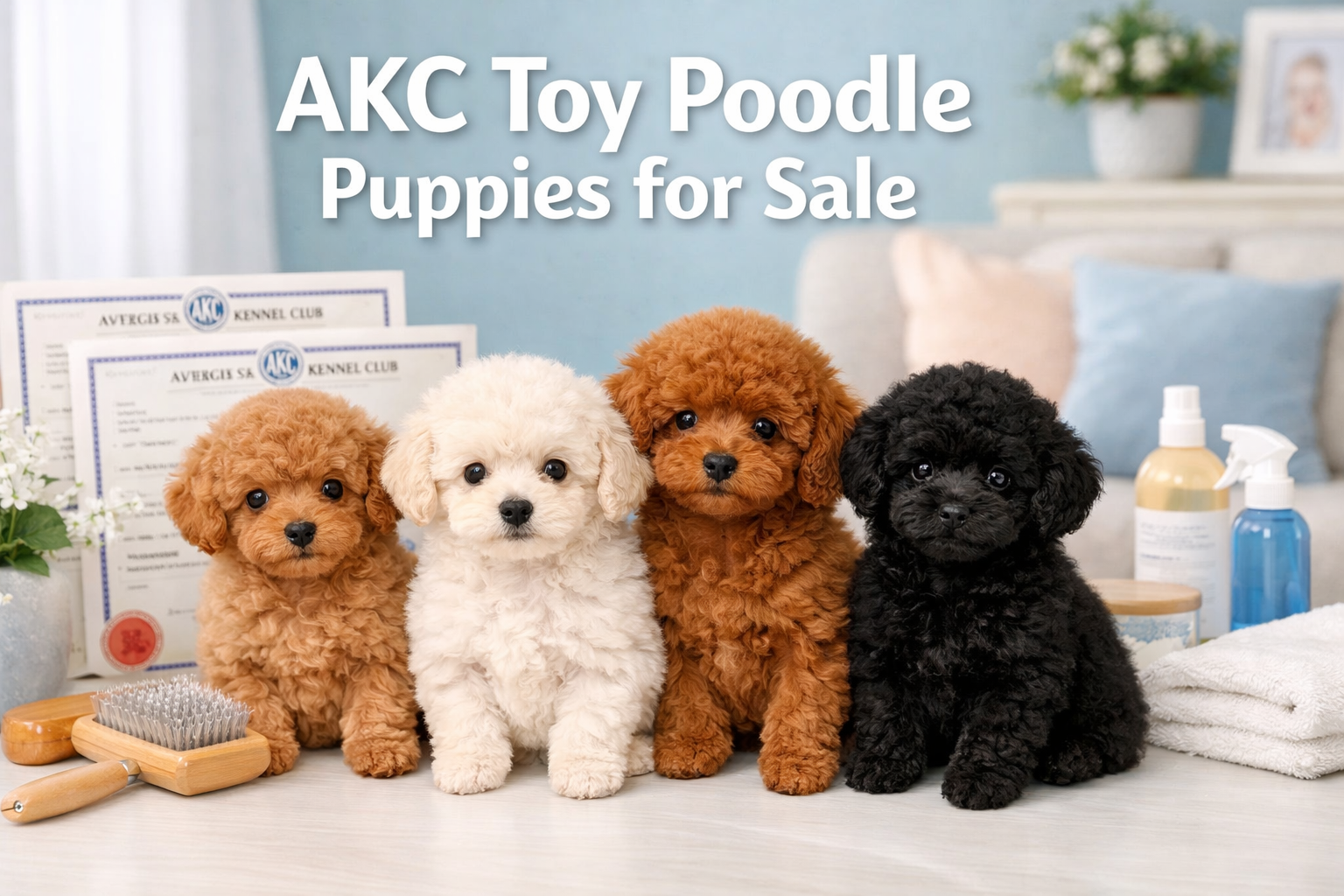
When I first laid eyes on a tiny toy poodle puppy with its teddy bear face and intelligent eyes, I knew I was witnessing something special. These remarkable little dogs have captured hearts worldwide, and for good reason. If you’re searching for AKC toy poodle puppies for sale, you’re embarking on a journey to find one of the most intelligent, loving, and adaptable companion dogs available today.
No products found which match your selection.
Key Takeaways
• AKC registration ensures quality breeding standards – Look for breeders who provide official American Kennel Club documentation and health clearances
• Toy poodles typically cost $1,500-$4,000 – Prices vary based on bloodline, breeder reputation, and geographic location
• Georgia and Florida offer excellent breeding programs – These states host some of the nation’s top toy poodle breeders with strong reputations
• Health testing is crucial – Reputable breeders perform genetic testing for common toy poodle health issues like PRA, hip dysplasia, and epilepsy
• Early socialization determines temperament – Well-bred toy poodles from quality breeders are confident, friendly, and well-adjusted
Understanding AKC Toy Poodle Standards and Registration
The American Kennel Club sets strict standards for toy poodle breeding, ensuring that AKC toy poodle puppies for sale meet specific criteria for size, temperament, and conformation. These standards aren’t just arbitrary rules – they protect the integrity of the breed and help ensure you’re getting a healthy, well-bred puppy.
Official AKC Toy Poodle Specifications
Size Requirements:
- Height: 10 inches or under at the shoulder
- Weight: 4-6 pounds (ideal range)
- Proportions: Square build with equal height and length
Coat Standards:
- Texture: Dense, curly, and harsh to the touch
- Colors: Black, white, brown, blue, gray, silver, beige, apricot, red, cream
- Grooming: Must be clipped in specific patterns for show
Temperament Traits:
- Intelligence: Exceptionally high problem-solving abilities
- Trainability: Eager to please and quick to learn
- Sociability: Friendly with proper socialization
- Energy Level: Moderate to high, requiring daily mental stimulation
When evaluating AKC toy poodle puppies, look for these key registration documents:
- AKC Registration Certificate – Proves purebred lineage
- Pedigree Papers – Shows three generations of ancestry
- Health Clearances – Documents genetic testing results
- Breeding Rights Information – Clarifies whether you can breed the puppy
The Importance of AKC Registration
AKC registration isn’t just a piece of paper – it’s your assurance that you’re purchasing a puppy from a bloodline that has been carefully tracked and maintained. This documentation becomes especially important if you’re interested in dog shows, breeding, or simply want the peace of mind that comes with knowing your puppy’s genetic background.
Finding Reputable Toy Poodle Breeders: What to Look For
The difference between a reputable breeder and a puppy mill can mean the difference between a healthy, well-adjusted companion and years of heartbreak and veterinary bills. When searching for AKC toy poodle puppies for sale, I’ve learned that taking time to research breeders thoroughly is the most important step in the process.
Essential Questions to Ask Breeders
Health and Genetic Testing:
- What health clearances do the parents have?
- Can you provide copies of OFA, CERF, and genetic testing results?
- What health guarantee do you offer?
- Do you screen for Progressive Retinal Atrophy (PRA)?
Breeding Practices:
- How often do you breed your females?
- At what age do you retire breeding dogs?
- Can I meet the puppy’s parents?
- How do you socialize your puppies?
Support and Aftercare:
- Do you provide a health guarantee?
- Will you take the puppy back if I can’t keep it?
- Do you offer ongoing support and advice?
- Can you provide references from previous buyers?
Red Flags to Avoid
❌ Multiple breeds available at once
❌ Puppies always available
❌ Won’t let you visit the facility
❌ No health testing documentation
❌ Unusually low prices
❌ Pressure to buy immediately
❌ No questions about your lifestyle
When I visit best toy poodle breeders, I always expect to see clean facilities, happy adult dogs, and breeders who ask me as many questions as I ask them. A good breeder wants to ensure their puppies go to the right homes.
The Role of Early Socialization
Quality breeders understand that the first eight weeks of a puppy’s life are crucial for development. Look for breeders who:
- Handle puppies daily from birth
- Expose puppies to various sounds and textures
- Begin basic training around 6-7 weeks
- Provide enrichment activities appropriate for their age
- Start crate training and house training basics
This early socialization work makes an enormous difference in your puppy’s adult temperament and adaptability.
Regional Excellence: Toy Poodle Breeders in Georgia and Florida
The southeastern United States has become a hub for exceptional toy poodle breeding programs. Both Georgia and Florida offer unique advantages for toy poodle enthusiasts, from favorable climates to established breeding communities.
Georgia’s Premier Toy Poodle Breeding Scene
Georgia has earned recognition for its commitment to ethical breeding practices and breed preservation. The state’s moderate climate and strong agricultural heritage have created an ideal environment for dog breeding operations.
Advantages of Georgia Breeders:
- Lower cost of living translates to more reasonable puppy prices
- Strong breeding community with mentorship opportunities
- Excellent veterinary care throughout the state
- Active dog show circuit maintaining breed standards
Notable Georgia Breeding Regions:
- Atlanta Metro Area – Highest concentration of breeders
- Savannah Region – Coastal breeders with excellent facilities
- Columbus Valley – Family-focused breeding operations
- North Georgia Mountains – Smaller, boutique breeders
When evaluating toy poodle breeders in Georgia, I’ve found that many focus on producing dogs with excellent temperaments for family life. The state’s emphasis on Southern hospitality often extends to how breeders interact with potential puppy buyers, offering extensive support and guidance.
Florida’s Thriving Toy Poodle Community
Florida’s year-round warm weather and large population of dog enthusiasts have created a competitive breeding environment that benefits puppy buyers. The state hosts numerous dog shows and has attracted some of the nation’s top poodle breeders.
Florida Breeding Advantages:
- Year-round outdoor exercise opportunities
- Large population creating demand for quality breeders
- Excellent veterinary schools ensuring top-notch care
- Active showing community maintaining high standards
Key Florida Breeding Areas:
- Central Florida (Orlando/Tampa) – Largest concentration
- South Florida (Miami/Fort Lauderdale) – High-end breeders
- Northeast Florida (Jacksonville) – Family-oriented programs
- Southwest Florida (Naples/Fort Myers) – Boutique operations
Many Florida breeders specialize in specific color varieties, particularly the popular apricot and red toy poodles. The state’s competitive environment has pushed breeders to excel in health testing and genetic diversity.
Comparing Regional Breeding Approaches
| Aspect | Georgia Breeders | Florida Breeders |
|---|---|---|
| Average Price Range | $1,800 – $3,200 | $2,200 – $4,000 |
| Specialization | Family temperament | Color variety |
| Facility Size | Medium to large | Small to medium |
| Show Involvement | Moderate | High |
| Health Testing | Standard | Comprehensive |
Both states require the same basic health clearances, but Florida breeders often go beyond minimum requirements due to competitive pressure. Georgia breeders tend to focus more on producing excellent family companions rather than show dogs.
🐩 Toy Poodle Breeder Comparison Tool
Find the perfect AKC toy poodle breeder based on your preferences
Seasonal Considerations for Puppy Purchases
Best Times to Buy in Georgia:
- Spring (March-May) – Ideal weather for puppy adjustment
- Fall (September-November) – Comfortable temperatures
- Avoid summer – High heat and humidity stress
Best Times to Buy in Florida:
- Winter (December-February) – Coolest, most comfortable weather
- Early spring (March-April) – Before summer heat arrives
- Avoid summer months – Extreme heat can stress small puppies
Understanding grooming and coat care requirements becomes especially important in these humid climates, as toy poodles need regular maintenance to prevent matting and skin issues.
Pricing and Investment: What to Expect When Buying AKC Toy Poodle Puppies
Understanding the true cost of AKC toy poodle puppies for sale goes far beyond the initial purchase price. Smart buyers consider both upfront costs and lifetime expenses when budgeting for their new companion.
Initial Purchase Price Breakdown
Factors Affecting Puppy Prices:
Bloodline Quality (30-40% of price variation)
- Champion bloodlines: $3,500 – $5,000+
- Show potential: $2,800 – $4,200
- Pet quality: $1,500 – $2,800
- Rare colors: Add $300 – $800 premium
Geographic Location (20-30% variation)
- High-cost areas (Miami, Atlanta suburbs): +$500 – $1,000
- Rural areas: -$300 – $600
- Transportation costs: $200 – $500 if shipping required
Breeder Reputation (15-25% impact)
- Established breeders (10+ years): Premium pricing
- New breeders: Often lower prices
- Show breeders: Higher prices but better quality
- Hobby breeders: Mid-range pricing
Hidden Costs New Owners Often Overlook
Immediate Setup Costs ($300 – $600)
- High-quality puppy food: $50 – $80
- Crate and bedding: $80 – $150
- Toys and enrichment: $40 – $80
- Collar, leash, ID tag: $30 – $60
- Initial grooming supplies: $60 – $120
- Puppy-proofing supplies: $40 – $110
First-Year Medical Expenses ($800 – $1,200)
- Initial veterinary exam: $75 – $150
- Vaccination series: $200 – $300
- Spay/neuter surgery: $300 – $600
- Microchipping: $45 – $75
- Parasite prevention: $180 – $240
Ongoing Annual Costs ($1,200 – $2,000)
- Professional grooming: $600 – $1,000 (every 6-8 weeks)
- Premium dog food: $200 – $400
- Veterinary care: $300 – $500
- Pet insurance: $300 – $600
- Toys and supplies: $100 – $200
For detailed guidance on budgeting for long-term toy poodle care, consider all these factors when making your decision.
Financing Options and Payment Plans
Many reputable breeders now offer payment plans to help families afford quality puppies:
Common Payment Structures:
- Deposit to reserve: $200 – $500
- Balance due at pickup: Remaining amount
- Installment plans: 2-3 payments over 60-90 days
- Seasonal discounts: Some breeders offer winter pricing
Third-Party Financing:
- Pet financing companies: 6-24 month terms
- Credit cards: Consider interest rates carefully
- Personal loans: Often better rates than credit cards
Value Indicators: Getting Your Money’s Worth
What You Should Receive for Premium Pricing:
✅ Complete health clearances for both parents
✅ AKC registration papers with breeding rights option
✅ Health guarantee covering genetic conditions
✅ Starter kit with food, toys, and care instructions
✅ Lifetime breeder support for questions and advice
✅ Early socialization and basic training foundation
Warning Signs of Overpricing:
❌ No health testing despite high prices
❌ Limited breeder support after purchase
❌ Pressure tactics or “limited time” offers
❌ No contract or health guarantee
❌ Unwillingness to provide references
Remember that the cheapest puppy often becomes the most expensive in the long run due to health and behavioral issues. Investing in a well-bred puppy from a reputable source typically saves money and heartache over the dog’s lifetime.
Health Considerations and Genetic Testing for Toy Poodles
When investing in AKC toy poodle puppies for sale, understanding the breed’s health profile is crucial for making an informed decision. Toy poodles are generally healthy dogs, but like all breeds, they have specific genetic predispositions that responsible breeders actively screen for.
Essential Health Clearances for Breeding Dogs
Eye Clearances (Annual CERF/OFA Eye Exams)
- Progressive Retinal Atrophy (PRA) – Leading cause of blindness
- Cataracts – Can develop at any age
- Glaucoma – Increased eye pressure causing pain
- Retinal dysplasia – Abnormal retinal development
Orthopedic Testing
- Hip Dysplasia – OFA or PennHIP evaluation
- Luxating Patella – Kneecap dislocation (common in toy breeds)
- Legg-Calve-Perthes Disease – Hip joint degeneration
Genetic Disease Screening
- Epilepsy – Genetic testing available
- Degenerative Myelopathy – Progressive spinal cord disease
- Von Willebrand Disease – Blood clotting disorder
- Neonatal Encephalopathy – Brain development disorder
Understanding Health Guarantees
A comprehensive health guarantee should cover:
Genetic Conditions (Typically 2-3 Years)
- Full replacement or refund for genetic diseases
- Coverage for conditions that appear later
- Clear documentation requirements
- Reasonable timeline for reporting issues
Congenital Defects (Usually 72 Hours – 2 Weeks)
- Heart defects
- Cleft palate
- Severe structural abnormalities
- Immediate veterinary examination requirements
What Health Guarantees Don’t Cover
- Injuries from accidents
- Infectious diseases
- Conditions caused by improper care
- Normal aging processes
For comprehensive information about common health concerns in toy poodle puppies, consult with your chosen breeder about their specific testing protocols.
Preventive Care Strategies
Puppy Health Timeline (First Year)
8-12 Weeks:
- Initial veterinary examination
- First round of vaccinations
- Deworming protocol
- Baseline health assessment
12-16 Weeks:
- Second vaccination series
- Heartworm prevention begins
- Microchip implantation
- Socialization health checks
4-6 Months:
- Spay/neuter consultation
- Adult vaccination boosters
- Dental health evaluation
- Growth monitoring
6-12 Months:
- Annual examination establishment
- Adult feeding transition
- Exercise program development
- Behavioral assessment
Nutrition for Optimal Health
Puppy Nutrition (8 weeks – 12 months)
- High-quality protein: 22-32% minimum
- Small kibble size: Appropriate for tiny mouths
- Frequent feeding: 3-4 times daily initially
- Caloric density: Higher energy needs for growth
Adult Maintenance (12 months+)
- Protein levels: 18-25% for active adults
- Weight management: Critical for joint health
- Dental health: Kibble size and texture matter
- Senior transition: Around 7-8 years old
Foods to Avoid:
❌ Chocolate – Toxic to dogs
❌ Grapes/raisins – Kidney damage
❌ Onions/garlic – Blood cell damage
❌ Xylitol – Severe hypoglycemia
❌ High-fat foods – Pancreatitis risk
Understanding proper feeding schedules for toy poodles at every age helps maintain optimal health throughout your dog’s life.
Preparing Your Home for Your New Toy Poodle Puppy
Bringing home one of those adorable AKC toy poodle puppies for sale requires careful preparation to ensure your new companion’s safety and comfort. Toy poodles’ small size makes them particularly vulnerable to household hazards that might not affect larger dogs.
Essential Puppy-Proofing Steps
Floor-Level Hazards
- Electrical cords – Cover or secure all accessible wiring
- Small objects – Remove anything smaller than a golf ball
- Toxic plants – Relocate lilies, azaleas, and other dangerous plants
- Cleaning supplies – Secure all chemicals in locked cabinets
- Medications – Store all pills and supplements safely
Height-Related Dangers
- Furniture gaps – Block spaces where puppies could get stuck
- Stairs – Install baby gates until puppy is older
- Balconies – Ensure railings are puppy-safe
- Open windows – Install screens or guards
Kitchen and Bathroom Safety
- Toilet lids – Keep closed to prevent drowning
- Trash cans – Use secure, puppy-proof lids
- Sharp objects – Store knives and tools safely
- Food storage – Secure pantry and refrigerator access
Creating the Perfect Puppy Space
Crate Setup Essentials
- Size: Large enough to stand, turn, and lie down
- Location: Quiet corner with family visibility
- Bedding: Washable, comfortable materials
- Toys: Safe, appropriate-sized chew toys
- Water: Spill-proof bowl or bottle
Exercise Pen Configuration
- Indoor space: 4×4 feet minimum for toy poodles
- Flooring: Non-slip surface with easy cleanup
- Boundaries: High enough to prevent jumping out
- Entertainment: Rotating toy selection
Feeding Station Design
- Elevated bowls: Easier eating for small dogs
- Non-slip mats: Prevent bowl sliding
- Fresh water: Always available
- Quiet location: Away from high-traffic areas
For detailed guidance on how to prepare your home for a toy poodle puppy, consider both immediate needs and long-term comfort.
Shopping List for New Toy Poodle Owners
Immediate Necessities (First Week)
- Appropriately-sized crate (24″ length typical)
- High-quality puppy food (same brand breeder uses)
- Food and water bowls (stainless steel or ceramic)
- Collar and leash (lightweight, adjustable)
- ID tag with your contact information
- Waste bags and cleanup supplies
- Basic grooming tools (brush, nail clippers)
Comfort and Entertainment (First Month)
- Soft bedding for crate and exercise pen
- Variety of toys (chew, plush, interactive)
- Training treats (small, high-value)
- Exercise pen for safe indoor play
- Baby gates for room restrictions
- Cleaning supplies (enzymatic cleaners for accidents)
Long-Term Investments (First Year)
- Professional grooming tools or service budget
- Car safety harness or travel crate
- Weather-appropriate clothing (coats for cold climates)
- Health and wellness supplies (toothbrush, supplements)
- Training equipment (clicker, long leash)
Establishing Routines from Day One
Daily Schedule Framework
- 6:00 AM – Wake up, immediate potty break
- 6:30 AM – Breakfast and fresh water
- 7:00 AM – Morning play session
- 12:00 PM – Midday meal and potty break
- 3:00 PM – Afternoon exercise and training
- 6:00 PM – Dinner and evening potty break
- 9:00 PM – Final potty break and bedtime routine
Weekly Routine Elements
- Grooming sessions – 2-3 times per week
- Training practice – Daily 10-15 minute sessions
- Socialization outings – After vaccination completion
- Health monitoring – Weekly weight and condition checks
- Toy rotation – Keep playtime interesting
The key to success with toy poodles is consistency. These intelligent dogs thrive on predictable routines and clear expectations. Starting these habits immediately helps your puppy adjust more quickly to their new home.
Training and Socialization: Setting Your Toy Poodle Up for Success
The intelligence that makes toy poodles such wonderful companions also means they need proper mental stimulation and training from an early age. When you bring home your AKC toy poodle puppy for sale, you’re getting a dog with exceptional learning ability that, when properly channeled, creates an amazing family companion.
The Critical Socialization Window
8-16 Weeks: The Golden Period
This timeframe is crucial for shaping your puppy’s adult personality. During this period, positive experiences with new people, animals, sounds, and environments will determine how confident and well-adjusted your toy poodle becomes.
Safe Socialization Before Full Vaccination
- Puppy classes – Well-run programs with vaccination requirements
- Controlled meetings – With known, healthy, vaccinated dogs
- Car rides – Getting used to travel in a secure carrier
- Household sounds – Vacuum cleaners, doorbells, kitchen noises
- Handling practice – Touching paws, ears, mouth for grooming tolerance
Post-Vaccination Socialization (16+ weeks)
- Public outings – Pet stores, outdoor cafes, farmers markets
- Meeting strangers – People of different ages, sizes, and appearances
- Other animals – Cats, larger dogs, small animals (supervised)
- Environmental exposure – Different surfaces, weather conditions
- Urban experiences – Traffic sounds, crowds, city environments
House Training Strategies for Small Dogs
Toy poodles present unique house training challenges due to their small bladders and fast metabolisms. Success requires patience, consistency, and understanding of their physical limitations.
Effective House Training Schedule
- Every 2 hours – Potty breaks for puppies under 4 months
- After meals – Within 15-30 minutes of eating
- After naps – Immediately upon waking
- Before bedtime – Final opportunity before crate time
- First thing morning – As soon as they wake up
Indoor Options for Toy Breeds
- Puppy pads – Useful for apartment living or bad weather
- Litter boxes – Some toy poodles adapt well to dog litter
- Artificial grass – Indoor potty areas that simulate outdoors
- Scheduled outdoor time – Building preference for outside elimination
For comprehensive guidance on house training your new toy poodle puppy, remember that consistency is more important than perfection.
Basic Obedience Training
Essential Commands for Toy Poodles
“Sit” (Usually learned first)
- Start with treats held above the nose
- Move hand slowly backward over the head
- Say “sit” as the bottom touches the ground
- Reward immediately and enthusiastically
“Stay” (Building impulse control)
- Begin with very short durations (2-3 seconds)
- Use an open palm hand signal
- Gradually increase time and distance
- Always release with a specific word like “okay”
“Come” (Critical for safety)
- Practice in safe, enclosed areas first
- Use an excited, happy voice tone
- Always reward coming when called
- Never call your dog to come for something unpleasant
“Down” (Useful for calm behavior)
- Start from the sitting position
- Lure with treats toward the ground
- Wait for elbows to touch the floor
- Reward the full down position
Advanced Training for Intelligent Toy Poodles
Because toy poodles are so intelligent, they benefit from mental challenges beyond basic obedience. Bored toy poodles often develop behavioral problems like excessive barking or destructive chewing.
Mental Stimulation Activities
- Puzzle feeders – Make mealtime mentally engaging
- Hide and seek – Build recall while having fun
- Trick training – Shake hands, roll over, play dead
- Agility basics – Small jumps and tunnels sized appropriately
- Scent work – Hide treats for them to find
Problem Prevention Strategies
- Adequate exercise – 30-45 minutes daily for adults
- Mental challenges – Training sessions and puzzle toys
- Consistent rules – Everyone in the family follows same guidelines
- Positive reinforcement – Reward good behavior immediately
- Redirect unwanted behavior – Provide appropriate alternatives
For those interested in more advanced training, explore advanced tricks for highly intelligent toy poodles to keep your dog mentally satisfied.
Building Confidence in Sensitive Puppies
Some toy poodle puppies can be naturally sensitive or shy. Building their confidence requires patience and positive experiences.
Confidence-Building Techniques
- Start small – Brief, positive exposures to new experiences
- Let them approach – Don’t force interactions
- Reward brave behavior – Treats and praise for confident actions
- Stay calm – Your energy affects their confidence level
- Practice regularly – Short, frequent training sessions work best
Signs of a Well-Socialized Toy Poodle
✅ Friendly with strangers but not overly demanding
✅ Confident in new environments without being reckless
✅ Good with other dogs of appropriate sizes
✅ Handles grooming and veterinary exams calmly
✅ Recovers quickly from startling experiences
Remember that training is an ongoing process. Even well-trained adult toy poodles benefit from continued mental stimulation and occasional refresher training sessions.
Grooming and Maintenance: Keeping Your Toy Poodle Beautiful
One of the most distinctive features of AKC toy poodle puppies for sale is their gorgeous, hypoallergenic coat. However, this beautiful coat requires regular maintenance to stay healthy and mat-free. Understanding grooming requirements before bringing your puppy home helps you budget appropriately and establish good care routines.
Understanding the Toy Poodle Coat
Coat Characteristics
- Texture: Dense, curly, and harsh to the touch
- Growth pattern: Continuously growing (like human hair)
- Shedding: Minimal – loose hairs get caught in curls
- Hypoallergenic: Low dander production
- Color variations: Solid colors only per AKC standards
Why Regular Grooming is Essential
- Prevents matting – Curly hair tangles easily without brushing
- Maintains skin health – Removes debris and allows air circulation
- Controls temperature – Proper coat length for climate comfort
- Prevents infections – Clean ears and trimmed hair reduce bacteria
- Early problem detection – Regular handling reveals health issues
Professional vs. Home Grooming
Professional Grooming Benefits
- Expertise – Proper techniques and breed-specific cuts
- Equipment – Professional-grade tools and products
- Safety – Experience handling small, delicate dogs
- Efficiency – Complete grooming in 2-3 hours
- Nail care – Safe trimming of tiny nails
Professional Grooming Schedule
- Every 6-8 weeks – Full grooming with haircut
- Every 2-3 weeks – Bath and brush-out only
- Seasonal adjustments – Longer coats in winter, shorter in summer
- Show dogs – Weekly professional maintenance
Home Grooming Essentials
- Daily brushing – Prevents mats and removes debris
- Weekly baths – Using dog-specific shampoos
- Nail trimming – Every 2-3 weeks or as needed
- Ear cleaning – Weekly inspection and cleaning
- Teeth brushing – Daily or several times per week
Essential Grooming Tools
Brushing and Combing
- Slicker brush – Daily mat prevention
- Metal comb – Checking for missed tangles
- Pin brush – Fluffing and finishing
- Dematting tools – For stubborn mats (use carefully)
Bathing Supplies
- Dog shampoo – pH balanced for canine skin
- Conditioner – Helps prevent tangling
- Microfiber towels – Gentle drying
- Hair dryer – Cool setting only for toy breeds
Trimming Equipment
- Small nail clippers – Guillotine or scissor type
- Ear cleaning solution – Veterinarian recommended
- Toothbrush and paste – Dog-specific products only
- Trimming scissors – For sanitary areas and paw hair
For detailed guidance on best grooming practices for toy poodle coats, invest in quality tools that will last for years.
Popular Toy Poodle Haircuts
The Puppy Cut
- Length: 1-2 inches all over
- Maintenance: Every 6-8 weeks
- Benefits: Easy care, year-round comfort
- Best for: Pet dogs, busy families toy poodles for sale
The Teddy Bear Cut
- Features: Rounded face, fluffy body
- Length: 2-3 inches on body, longer on head
- Maintenance: Every 6 weeks
- Benefits: Adorable appearance, manageable length
The Continental Clip (Show Cut)
- Features: Shaved hindquarters, pom-poms on legs
- Complexity: Requires professional grooming
- Maintenance: Weekly touch-ups
- Best for: Show dogs, experienced owners
Seasonal Considerations
- Summer cuts – Shorter for heat relief (but not too short)
- Winter length – Longer for warmth in cold climates
- Coat protection – Sunscreen for light-colored, short cuts
- Weather gear – Coats and boots for extremely short cuts
Health Benefits of Proper Grooming
Skin and Coat Health
- Improved circulation – Brushing stimulates blood flow
- Oil distribution – Natural oils spread throughout coat
- Early detection – Finding lumps, bumps, or skin issues
- Parasite prevention – Regular inspection for fleas and ticks
Dental Health Maintenance
- Plaque prevention – Regular brushing reduces tartar buildup
- Breath improvement – Clean teeth mean fresher breath
- Gum health – Massage from brushing strengthens gums
- Early problem detection – Spotting dental issues before they worsen
Nail and Paw Care
- Comfort – Properly trimmed nails don’t catch or break
- Posture – Correct nail length maintains proper foot position
- Floor protection – Short nails won’t scratch hardwood floors
- Safety – Reduces risk of torn or ingrown nails
Understanding that grooming is about health as much as appearance helps you prioritize this important aspect of toy poodle care. The time and money invested in proper grooming pays dividends in your dog’s comfort, health, and longevity.
Long-term Care and Commitment: Life with Your Toy Poodle
When you purchase one of those charming AKC toy poodle puppies for sale, you’re making a commitment that will likely span 12-16 years. Understanding what this long-term relationship entails helps ensure you’re prepared for the journey ahead and can provide the best possible life for your companion.
Life Stages and Changing Needs
Puppyhood (8 weeks – 12 months)
- High energy – Multiple short play sessions daily
- Frequent feeding – 3-4 meals per day initially
- Intensive training – House training, basic commands, socialization
- Rapid growth – Monthly weight monitoring and diet adjustments
- Veterinary visits – Vaccination series, spay/neuter, health monitoring
Young Adult (1-3 years)
- Peak activity – Longest walks and most intensive play
- Training refinement – Advanced commands and trick training
- Routine establishment – Settled feeding and exercise schedules
- Health monitoring – Annual checkups and preventive care
- Social maturity – Personality fully developed
Mature Adult (3-7 years)
- Stable routine – Consistent exercise and feeding needs
- Maintenance grooming – Established grooming schedule
- Health awareness – Beginning of preventive senior care
- Behavioral stability – Well-established personality and habits
- Companionship focus – Strong bond with family members
Senior Years (7+ years)
- Reduced activity – Shorter walks, more rest periods
- Health monitoring – Biannual veterinary checkups
- Comfort adjustments – Softer bedding, easier access to resources
- Diet modifications – Senior-specific nutrition needs
- Quality of life – Focus on comfort and pain management
Financial Planning for Lifetime Care
Annual Cost Breakdown (Average)
| Category | Puppy Year | Adult Years | Senior Years |
|---|---|---|---|
| Food | $200-400 | $250-450 | $300-500 |
| Veterinary | $800-1,200 | $400-800 | $800-1,500 |
| Grooming | $400-600 | $600-1,000 | $600-1,000 |
| Supplies | $300-500 | $100-300 | $150-400 |
| Insurance | $300-600 | $400-800 | $600-1,200 |
| Total | $2,000-3,300 | $1,750-3,350 | $2,450-4,600 |
Emergency Fund Planning
- Minimum emergency fund: $2,000-3,000
- Common emergencies: Dental work, injury treatment, illness
- Major procedures: Surgery can cost $1,500-5,000+
- End-of-life care: Often the most expensive period
Exercise and Activity Requirements
Daily Exercise Needs by Age
- Puppies (8-16 weeks): 5 minutes per month of age, twice daily
- Young adults: 30-45 minutes of varied activity
- Mature adults: 30 minutes of moderate exercise
- Seniors: 15-30 minutes of gentle activity
Appropriate Activities for Toy Poodles
- Short walks – Multiple brief outings rather than long hikes
- Indoor play – Fetch, tug-of-war, hide and seek
- Mental stimulation – Puzzle toys, training sessions, new experiences
- Social interaction – Playdates with appropriate-sized dogs
- Swimming – Excellent low-impact exercise (with supervision)
Exercise Safety Considerations
- Temperature awareness – Avoid extremes of hot and cold
- Surface protection – Paw pads sensitive to hot pavement
- Size considerations – Avoid activities with large, boisterous dogs
- Energy monitoring – Watch for signs of fatigue
- Joint protection – Avoid excessive jumping or high-impact activities
Common Behavioral Characteristics and Management
Positive Toy Poodle Traits
- Intelligence – Quick learning and problem-solving ability
- Loyalty – Strong bonds with family members
- Alertness – Excellent watchdog instincts
- Adaptability – Adjusts well to various living situations
- Affection – Enjoys human companionship and interaction
Potential Behavioral Challenges
- Separation anxiety – May become distressed when left alone
- Excessive barking – Alert nature can lead to noise issues
- Small dog syndrome – May try to dominate larger dogs
- Sensitivity – Can be reactive to loud noises or sudden movements
- Attention-seeking – May develop demanding behaviors if not managed
Management Strategies
- Consistent training – Regular practice of basic commands
- Mental stimulation – Prevent boredom-related behaviors
- Socialization maintenance – Ongoing exposure to new experiences
- Routine establishment – Predictable daily schedule
- Positive reinforcement – Reward good behavior consistently
For comprehensive guidance on creating daily routines for toy poodle puppies, focus on consistency and positive experiences.
Health Monitoring Throughout Life
Puppy Health Priorities
- Growth monitoring – Regular weight and development checks
- Vaccination schedule – Following veterinarian recommendations
- Parasite prevention – Deworming and flea/tick control
- Dental care – Early introduction to teeth brushing
- Injury prevention – Puppy-proofing and supervision
Adult Health Maintenance
- Annual examinations – Comprehensive physical and blood work
- Dental care – Professional cleaning every 1-3 years
- Weight management – Maintaining ideal body condition
- Exercise routine – Consistent physical activity
- Grooming health – Regular skin and coat inspection
Senior Health Focus
- Biannual checkups – More frequent monitoring
- Pain management – Arthritis and joint care
- Cognitive health – Mental stimulation and routine maintenance
- Comfort measures – Orthopedic bedding and easy access
- Quality of life – Balancing treatment with comfort
Making the Most of Your Time Together
Building Strong Bonds
- Daily interaction – Dedicated one-on-one time
- Training together – Ongoing learning experiences
- Adventure sharing – Safe, appropriate outings
- Routine participation – Including your dog in daily activities
- Affection expression – Physical and verbal appreciation
Creating Lasting Memories
- Photo documentation – Regular pictures throughout life stages
- Special occasions – Birthday celebrations and holidays
- Travel experiences – Dog-friendly vacations and outings
- Training achievements – Celebrating milestones and successes
- Quiet moments – Appreciating simple companionship
The decision to bring home an AKC toy poodle puppy for sale is the beginning of a remarkable journey. These intelligent, loving dogs have the capacity to bring joy, laughter, and companionship to your life for many years. Understanding the commitment involved helps ensure that both you and your toy poodle will enjoy a fulfilling, happy relationship throughout all of life’s stages.
Conclusion
Finding the perfect AKC toy poodle puppies for sale requires careful research, patience, and understanding of what makes these remarkable dogs such wonderful companions. From the initial search for reputable breeders to the long-term commitment of providing excellent care, every step of the journey contributes to the success of your relationship with your new family member.
The key factors we’ve explored – from understanding AKC standards and health clearances to preparing your home and planning for lifetime care – all work together to ensure you make an informed decision. Whether you’re drawn to the excellent breeding programs in Georgia and Florida or considering breeders in other regions, remember that the quality of the breeder matters far more than location.
Your Next Steps:
- Research breeders thoroughly – Use the criteria and questions provided to evaluate potential sources
- Budget comprehensively – Plan for both initial costs and lifetime expenses
- Prepare your home – Create a safe, welcoming environment before your puppy arrives
- Establish veterinary care – Find a veterinarian experienced with toy breeds
- Commit to training and socialization – Start immediately and maintain throughout your dog’s life
The investment you make in finding a well-bred, healthy toy poodle puppy from a reputable source will pay dividends in years of companionship, joy, and love. These intelligent, affectionate dogs have the capacity to become not just pets, but true family members who enrich your life in countless ways.
Take your time, ask the right questions, and trust your instincts when choosing both your breeder and your puppy. The perfect toy poodle companion is waiting for you, and with the knowledge you’ve gained, you’re well-equipped to find them and provide the loving home they deserve.
For additional support and resources, consider connecting with toy poodle communities and continuing your education about this wonderful breed. Your journey with your new toy poodle will be one of the most rewarding experiences you’ll ever have.
References
[1] American Kennel Club. (2026). Toy Poodle Breed Standard. Retrieved from akc.org
[2] Orthopedic Foundation for Animals. (2026). Health Testing Guidelines for Toy Poodles.
[3] Progressive Retinal Atrophy Research Foundation. (2026). Genetic Testing in Poodles.
[4] American Veterinary Medical Association. (2026). Puppy Care Guidelines.
[5] Professional Dog Breeders Association. (2026). Ethical Breeding Practices.